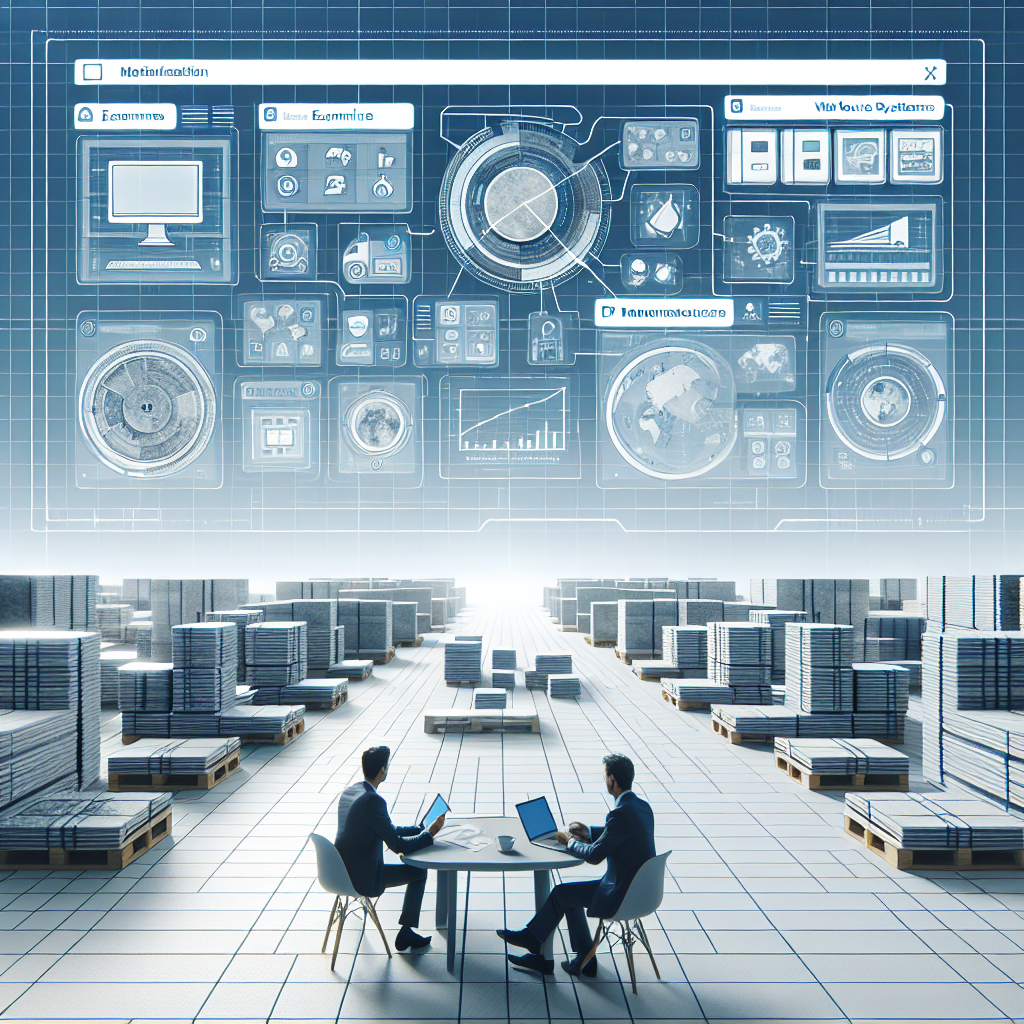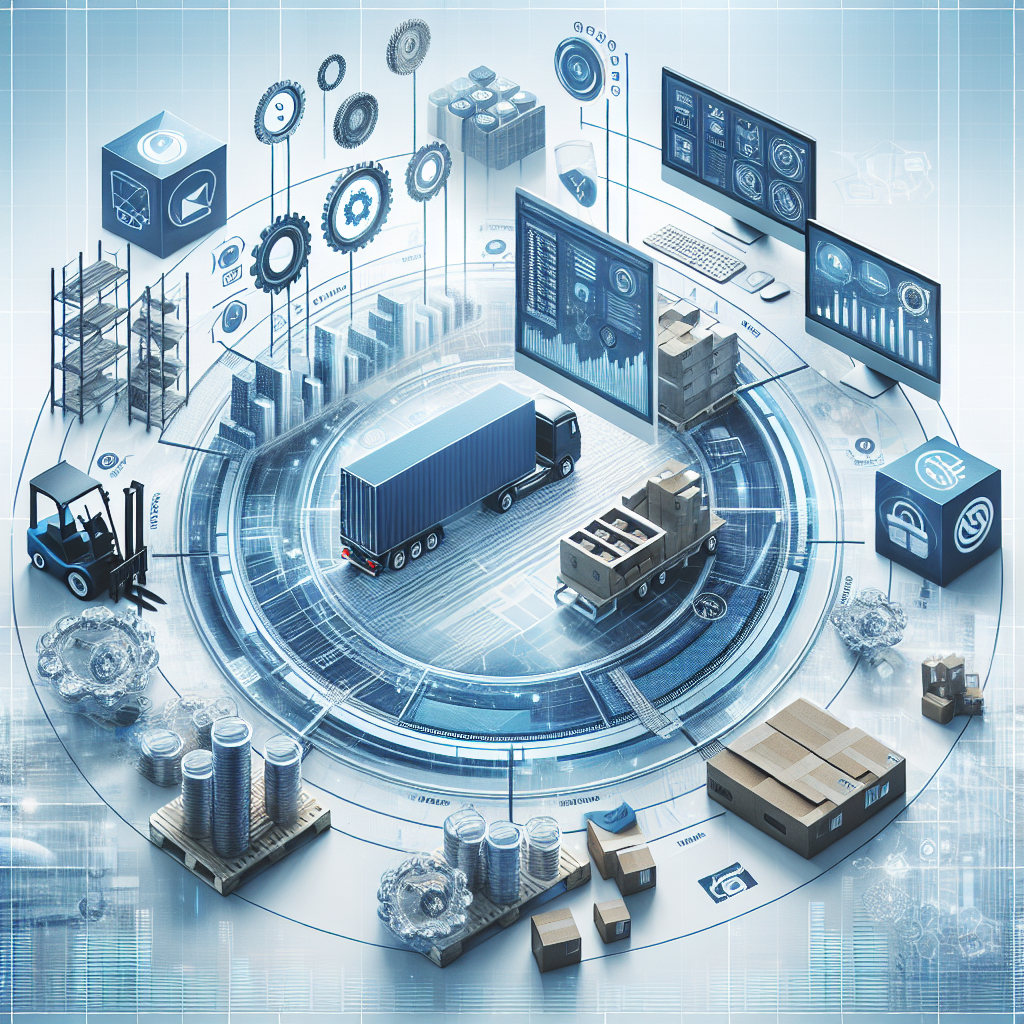
The global tile manufacturing and distribution industry is undergoing a significant digital transformation in 2026. Driven by AI automation for manufacturing, ERP for manufacturing systems, and the rapid rise of B2B ecommerce development, companies are moving away from fragmented operations toward integrated, data-driven ecosystems.
For business owners, CTOs, and operations leaders, the shift is no longer optional. The convergence of AI-powered ERP platforms, smart warehouse automation systems, and scalable B2B ecommerce platforms such as Shopify B2B ecommerce and Magento B2B ecommerce is redefining how tile businesses operate, compete, and grow globally.
The Shift Toward Intelligent Manufacturing
Traditional manufacturing models relied heavily on manual planning, reactive decision-making, and disconnected systems. Today, Industry 4.0 technologies are enabling tile manufacturers to operate with real-time intelligence.
AI-powered ERP systems are at the center of this transformation. Modern ERP platforms like Odoo ERP for manufacturing integrate production planning, procurement, finance, and supply chain into a single unified system.
Key operational improvements include:
- Real-time production monitoring with predictive insights
- Automated demand forecasting using historical and live data
- Intelligent procurement aligned with supply chain variability
- Reduced downtime through predictive maintenance
For tile manufacturers dealing with high-volume production and fluctuating raw material costs, these capabilities significantly improve efficiency and cost control.
B2B Ecommerce as a Growth Engine
The global shift toward digital buying behavior has transformed how distributors and wholesalers interact with manufacturers. B2B ecommerce platforms are no longer just sales channels; they are strategic growth engines.
Modern platforms such as Shopify B2B ecommerce and Magento B2B ecommerce enable tile businesses to:
- Offer personalized pricing and catalogs for distributors
- Streamline bulk ordering and repeat purchases
- Provide real-time inventory visibility
- Enable self-service portals for customers
This digital layer reduces dependency on manual sales processes while improving customer experience. Buyers now expect the same convenience in B2B transactions as they experience in B2C environments.
For tile distributors operating across multiple regions, B2B ecommerce development allows seamless global expansion without proportional increases in operational complexity.
ERP and Ecommerce Integration: The Game Changer
The real transformation happens when ERP systems and B2B ecommerce platforms are tightly integrated.
Disconnected systems often lead to:
- Inventory mismatches
- Order processing delays
- Pricing inconsistencies
- Poor customer experience
By integrating ERP for manufacturing with ecommerce platforms, businesses can create a synchronized digital ecosystem.
Practical benefits include:
- Real-time inventory updates across all sales channels
- Automated order processing from ecommerce to ERP
- Unified customer data through CRM automation
- Accurate pricing and discount management
For example, when a distributor places a bulk order through a Magento B2B ecommerce portal, the system can automatically update inventory, trigger production planning in the ERP, and initiate logistics workflows without manual intervention.
Warehouse Automation and Smart Logistics
Warehouse management systems and automation technologies are playing a critical role in scaling tile distribution operations.
Tile products are heavy, fragile, and often stored in large volumes, making warehouse efficiency essential. Modern warehouse automation systems use AI and IoT to optimize storage, picking, and shipping processes.
Capabilities include:
- Automated picking and packing workflows
- Barcode and RFID-based inventory tracking
- AI-driven warehouse layout optimization
- Real-time shipment tracking and logistics coordination
These systems reduce human error, accelerate order fulfillment, and improve overall supply chain visibility.
For global tile distributors, integrating warehouse systems with ERP and ecommerce platforms ensures end-to-end operational transparency.
Data-Driven Decision Making with AI and Analytics
Data is now one of the most valuable assets in industrial businesses. However, its true value is realized only when it is actionable.
AI-powered data analytics platforms enable tile manufacturers and distributors to:
- Identify demand trends across regions and product categories
- Optimize pricing strategies based on market dynamics
- Forecast inventory requirements with high accuracy
- Analyze customer purchasing behavior
When combined with CRM automation, businesses gain a 360-degree view of their customers. This allows sales teams to move from reactive selling to proactive engagement.
For example, a system can automatically recommend product bundles or reorder schedules to distributors based on past purchasing patterns.
Overcoming Implementation Challenges
Despite the clear benefits, many organizations face challenges when adopting digital transformation initiatives.
Common barriers include:
- Legacy systems that are difficult to integrate
- Resistance to change within operational teams
- Lack of clear digital strategy
- Data silos across departments
Successful implementation requires a phased and strategic approach.
Best practices include:
- Starting with a scalable ERP platform like Odoo ERP for manufacturing
- Prioritizing integration between ERP and B2B ecommerce platforms
- Investing in employee training and change management
- Partnering with experienced digital transformation consultants
Organizations that approach transformation as a long-term strategy rather than a one-time project achieve significantly better outcomes.
The Competitive Advantage in 2026
In 2026, the competitive landscape in tile manufacturing is defined by digital maturity. Companies that embrace AI automation for manufacturing, B2B ecommerce development, and integrated ERP systems are outperforming those relying on traditional models.
The advantages are clear:
- Faster time-to-market for new products
- Lower operational costs through automation
- Enhanced customer experience through digital platforms
- Greater scalability in global markets
More importantly, these technologies enable businesses to adapt quickly to market disruptions, whether they are supply chain challenges, demand fluctuations, or geopolitical changes.
Conclusion
The convergence of AI-powered ERP, B2B ecommerce platforms, warehouse automation systems, and data analytics is transforming the tile manufacturing and distribution industry at a fundamental level.
For industrial businesses, the question is no longer whether to adopt digital technologies, but how quickly and effectively they can implement them.
By investing in ERP for manufacturing, embracing Shopify B2B ecommerce or Magento B2B ecommerce platforms, and leveraging AI-driven insights, companies can build resilient, scalable, and future-ready operations.
Those who act now will not only improve efficiency but also unlock new revenue streams and strengthen their position in an increasingly competitive global market.
FAQs
1. What is the role of AI in manufacturing ERP systems?
AI enhances ERP systems by enabling predictive analytics, demand forecasting, and automated decision-making, improving operational efficiency and reducing downtime.
2. Why is B2B ecommerce important for tile manufacturers?
B2B ecommerce platforms streamline bulk ordering, improve customer experience, and enable global expansion with real-time inventory and pricing visibility.
3. How does ERP integration improve ecommerce operations?
Integration ensures real-time data synchronization between systems, reducing errors, automating workflows, and enhancing order accuracy.
4. Which platforms are best for B2B ecommerce development?
Popular options include Shopify B2B ecommerce for ease of use and Magento B2B ecommerce for complex, large-scale operations.
5. What are warehouse automation systems?
These systems use AI, IoT, and robotics to optimize inventory management, picking, packing, and shipping processes in warehouses.
6. How can manufacturers start digital transformation?
Start by implementing a scalable ERP system, integrate it with ecommerce platforms, and gradually adopt AI, analytics, and automation technologies.