
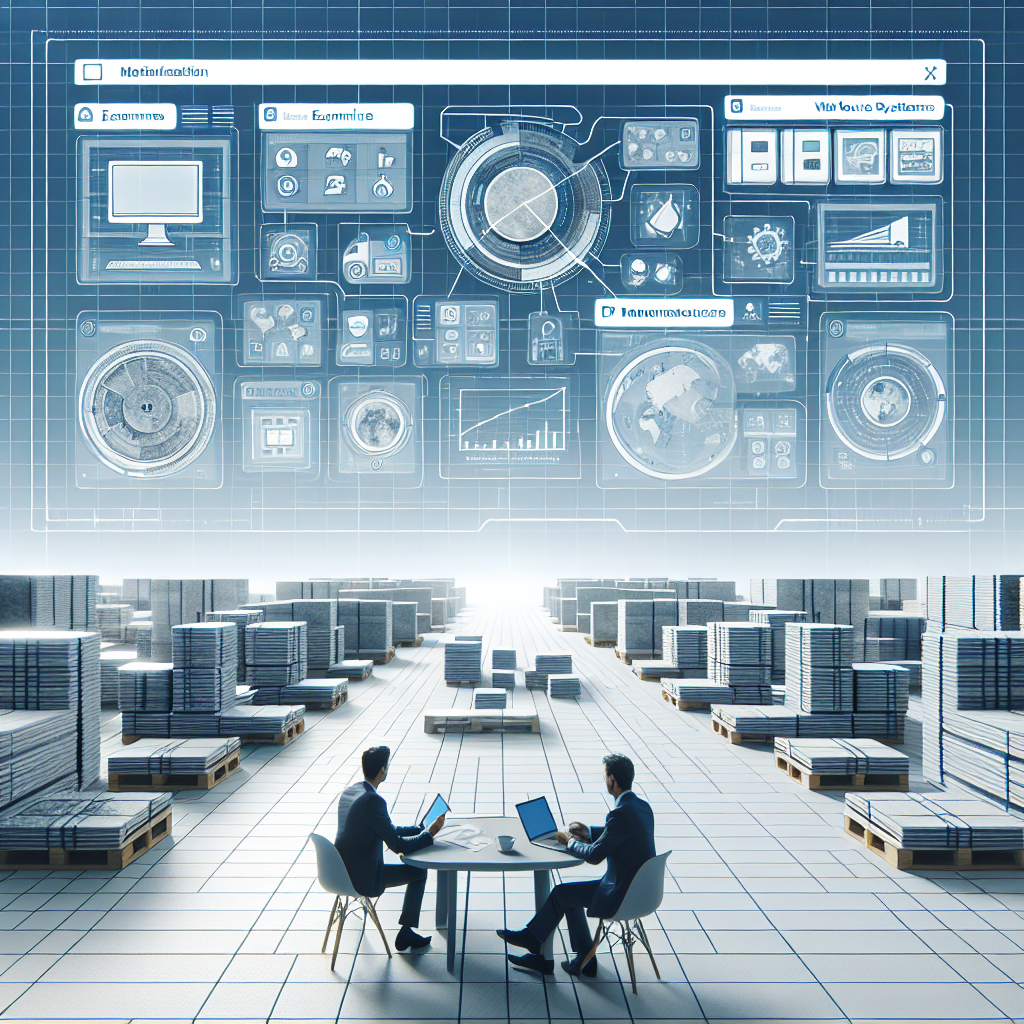
The tiles and ceramic industry is evolving rapidly, driven by growing demand, expanding dealer networks, and increasing export complexity. Yet, many manufacturers and distributors still operate on fragmented systems, spreadsheets, and manual workflows. This leads to inventory mismatches, delayed dealer orders, and costly logistics errors.
As a consultant working closely with tiles manufacturers and distributors, I have seen how the right combination of ERP for tiles industry operations, ecommerce platforms, and warehouse automation can fundamentally change business performance. Odoo ERP for manufacturing, when implemented correctly, acts as the backbone of this transformation.
Understanding the Core Challenges in the Tiles Industry
Tiles businesses operate in a uniquely complex environment. Product variations, batch management, size differences, and finish types create a massive SKU base. Without a centralized system, managing this complexity becomes nearly impossible.
Common operational challenges include:
• Inventory Chaos: Real-time stock visibility is often missing across warehouses and plants
• Dealer Order Complexity: Pricing varies by region, dealer category, and order volume
• Export Logistics Issues: Documentation, compliance, and shipment tracking are poorly integrated
• Disconnected Systems: Sales, production, and finance operate in silos
These issues not only impact efficiency but also lead to lost revenue opportunities and poor customer experience.
Why Odoo ERP is a Game-Changer for Tiles Manufacturing
Odoo ERP for manufacturing offers a unified platform that connects production, inventory, sales, finance, and logistics. For the tiles industry, this integration is critical.
With Odoo, businesses can:
• Track inventory in real time across multiple warehouses
• Manage batch-wise production and quality control
• Automate dealer-specific pricing and discount structures
• Streamline export documentation and compliance workflows
One of the most impactful outcomes is the elimination of data silos. Decision-makers get a single source of truth, enabling faster and more accurate planning.
For example, a mid-sized tiles manufacturer we worked with reduced stock discrepancies by over 40 percent within six months of implementing Odoo ERP. This directly improved order fulfillment rates and customer satisfaction.
Integrating Ecommerce Platforms for Revenue Growth
While ERP brings operational control, ecommerce platforms unlock new revenue channels. Tiles ecommerce development is no longer optional, especially as B2B buyers increasingly expect digital ordering experiences.
Platforms like Magento for tiles business and Shopify for tiles ecommerce allow manufacturers to:
• Offer dealer-specific catalogs and pricing
• Enable real-time order placement linked to ERP inventory
• Showcase product variations with rich visual content
• Expand into direct-to-consumer sales channels
The key is integration. When ecommerce platforms are connected to Odoo ERP, orders flow directly into the system, inventory updates in real time, and invoicing becomes automated.
This reduces manual intervention and eliminates errors caused by duplicate data entry.
Solving Dealer Order Complexity with Automation
Dealer management is one of the most challenging aspects of the tiles business. Different dealers have different pricing agreements, credit limits, and delivery expectations.
A well-configured ERP system can simplify this complexity:
• Automated Pricing Rules: Set dynamic pricing based on dealer category, geography, or order volume
• Credit Control: Real-time tracking of dealer credit limits and outstanding balances
• Order Approval Workflows: Ensure compliance with internal policies before order confirmation
CRM automation further enhances dealer relationships. Sales teams can track interactions, follow up on inquiries, and identify high-value customers more effectively.
This level of automation not only improves efficiency but also strengthens dealer trust and loyalty.
Warehouse Automation for Tiles Industry Efficiency
Tiles are bulky, fragile, and require careful handling. Inefficient warehouse operations can lead to breakage, delays, and increased costs.
Warehouse automation for tiles industry operations focuses on:
• Barcode-based inventory tracking
• Optimized picking and packing processes
• Real-time stock updates across locations
• Integration with logistics providers
When integrated with Odoo ERP, warehouse operations become highly synchronized with sales and production. This ensures that what is sold is actually available and ready for dispatch.
In one implementation, a distributor reduced order processing time from 48 hours to under 12 hours by adopting warehouse automation integrated with ERP.
Managing Export Logistics with Digital Precision
Exporting tiles involves complex documentation, compliance requirements, and coordination with multiple stakeholders. Manual processes increase the risk of errors and delays.
ERP-driven export management enables:
• Automated generation of shipping documents
• Compliance tracking for different countries
• Integration with freight forwarders and logistics partners
• Real-time shipment tracking
This not only reduces operational risk but also improves delivery timelines and customer confidence in international markets.
The Role of Visual Content in Tiles Ecommerce
Tiles are a highly visual product. Customers need to see textures, finishes, and real-life applications before making a purchase decision.
Digital transformation must include a strong visual content strategy:
• High-resolution product images and videos
• Room visualization tools
• Augmented reality experiences
• Consistent product data across ecommerce platforms
When integrated with ERP and ecommerce systems, visual content becomes a powerful sales driver, especially in Shopify for tiles ecommerce and Magento for tiles business environments.
Building a Scalable Digital Transformation Roadmap
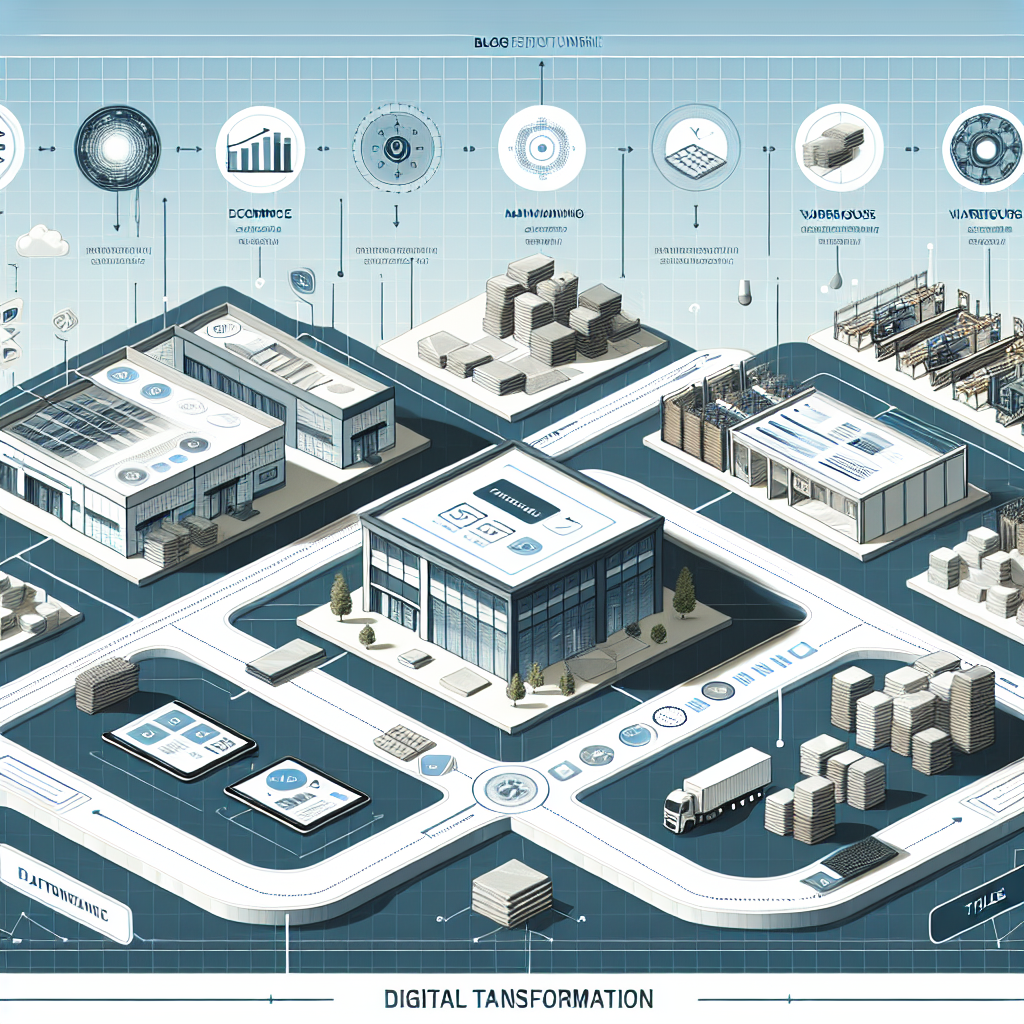
Adopting ERP and ecommerce solutions is not just a technology upgrade; it is a strategic shift. Businesses must approach it with a clear roadmap.
Key steps include:
• Assessing current operational gaps and inefficiencies
• Selecting the right ERP and ecommerce platforms
• Ensuring seamless integration between systems
• Training teams and driving user adoption
• Continuously optimizing processes based on data insights
The goal is not just automation but scalability. As the business grows, the systems should support increased volume without adding complexity.
Conclusion: From Chaos to Control with the Right Technology Stack
The tiles industry is at a turning point. Businesses that continue to rely on manual processes and disconnected systems will struggle to compete in an increasingly digital market.
By implementing ERP for tiles industry operations, leveraging Odoo ERP for manufacturing, and integrating tiles ecommerce development through platforms like Magento and Shopify, companies can achieve:
• Greater operational efficiency
• Improved dealer and customer experience
• Faster order fulfillment
• Better control over inventory and logistics
• Sustainable revenue growth
Digital transformation is no longer a future initiative; it is a present necessity. The companies that act now will be the ones that lead the market in the years ahead.