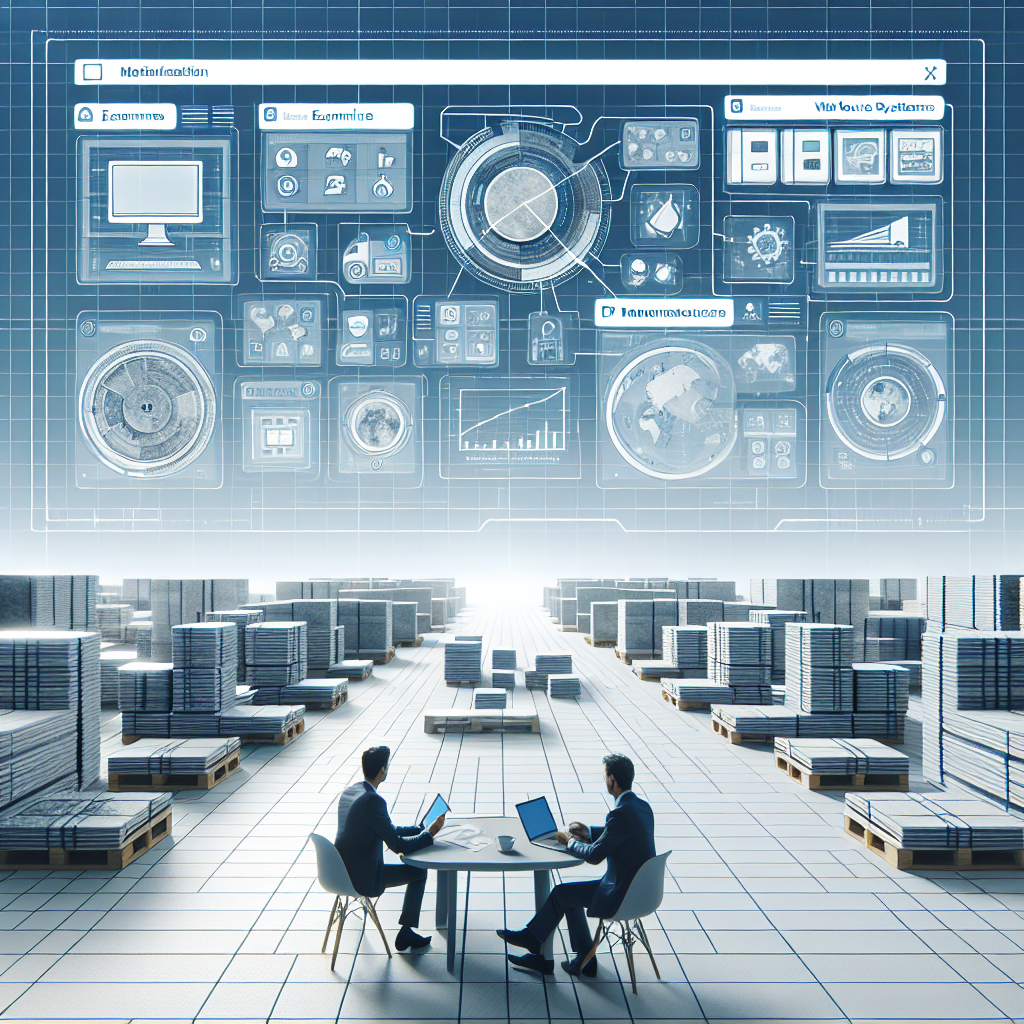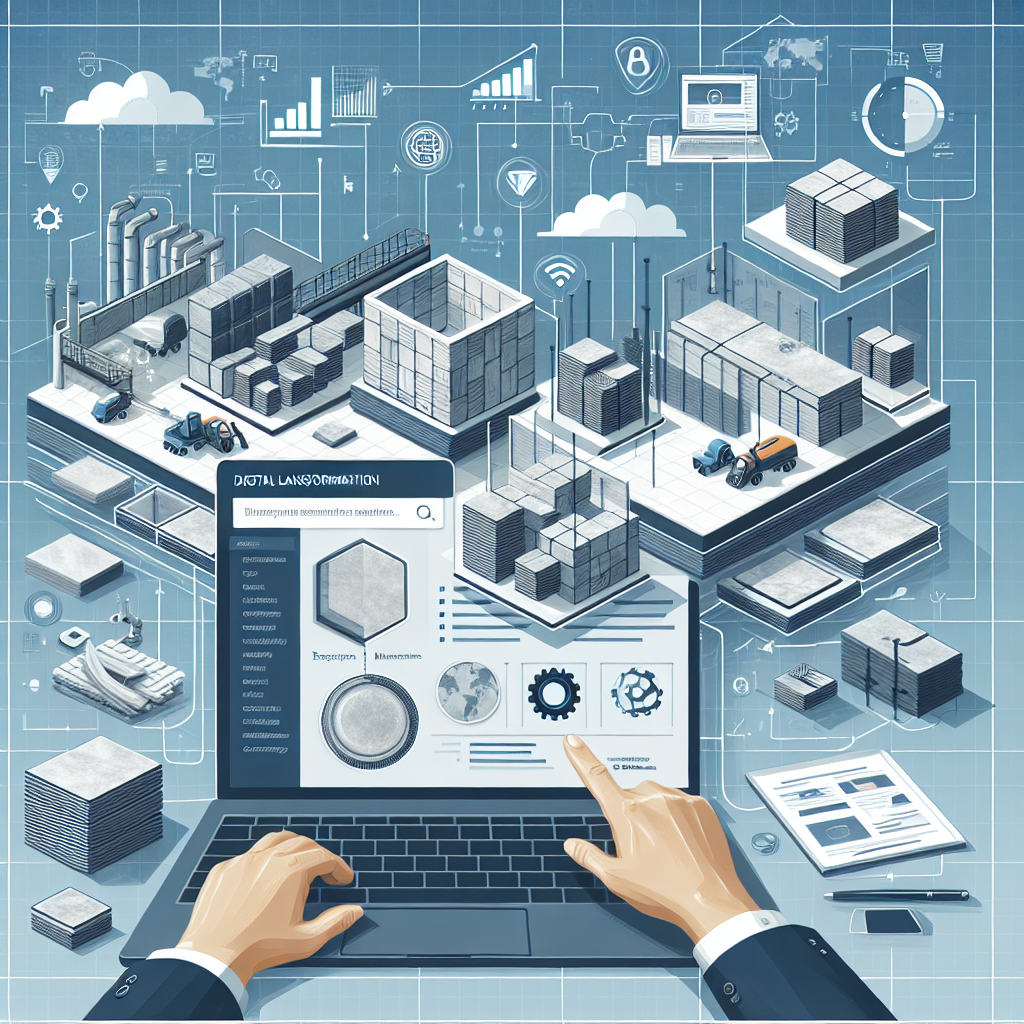

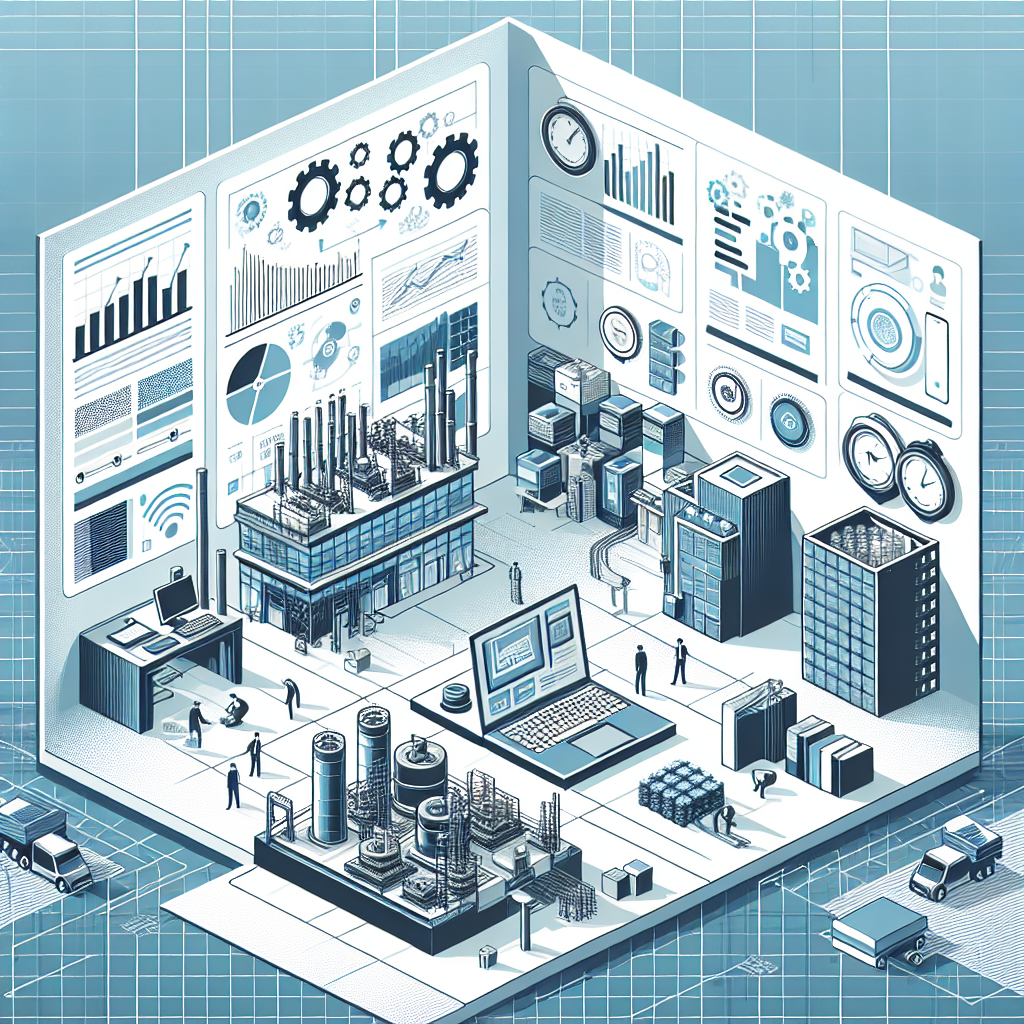
The tiles and ceramics industry is undergoing a major digital shift. As product catalogs expand, dealer networks grow, and customer expectations rise, traditional systems are no longer sufficient to manage operations efficiently. Many businesses still rely on disconnected tools, manual inventory tracking, and fragmented communication channels, leading to operational bottlenecks.
From my experience working with tile manufacturers, distributors, and retailers, the root cause of inefficiency is rarely a lack of effort. It is the absence of integrated systems. This is where ERP for tiles industry, CRM automation, and tiles ecommerce development come together to create a unified digital ecosystem.
Understanding the Core Challenges in the Tiles Industry
The tiles business operates on high volume, SKU-heavy inventory, and complex dealer relationships. Without proper systems in place, companies face several recurring issues:
- Inaccurate inventory visibility across warehouses and showrooms
- Frequent stockouts or overstocking due to poor demand forecasting
- Delayed dealer order processing and manual errors
- Lack of real-time pricing and discount management
- Inefficient communication between sales teams and distributors
These challenges directly impact revenue, customer satisfaction, and operational costs. As businesses scale, the complexity multiplies.
Why ERP is the Backbone of Tiles Business Operations
An ERP system, especially solutions like Odoo ERP for manufacturing, serves as the central nervous system of the organization. It integrates production, inventory, finance, and sales into a single platform.
In the tiles industry, ERP enables:
- Real-time inventory tracking across multiple warehouses and locations
- Batch and lot management for consistent product quality
- Automated procurement and production planning
- Financial visibility with accurate cost tracking
For example, a ceramic tile manufacturer with multiple plants can synchronize production schedules with actual dealer demand. This reduces excess inventory while ensuring timely deliveries.
However, ERP alone is not enough. It must be connected with customer-facing systems to unlock its full potential.
The Role of B2B Ecommerce in Dealer Order Management
Modern dealers expect the same convenience in B2B transactions as they experience in B2C platforms. This is where tiles ecommerce development plays a critical role.
Platforms like Magento for tiles business and Shopify for tiles ecommerce allow manufacturers and distributors to create dedicated dealer portals. These portals provide:
- Real-time product catalogs with pricing and availability
- Self-service order placement for dealers
- Access to order history, invoices, and credit limits
- Personalized discounts and promotions
When integrated with ERP, these platforms eliminate manual order entry. Orders placed by dealers flow directly into the ERP system, reducing errors and speeding up fulfillment.
This integration significantly improves dealer satisfaction while reducing operational workload.
CRM Integration for Stronger Dealer Relationships
In many tile companies, sales teams manage dealer relationships through spreadsheets, phone calls, and scattered communication tools. This leads to missed opportunities and inconsistent follow-ups.
A CRM system bridges this gap by centralizing customer interactions and automating workflows.
With CRM integration, businesses can:
- Track dealer interactions, inquiries, and complaints
- Automate follow-ups and sales reminders
- Segment dealers based on buying behavior
- Monitor sales performance across regions
When CRM is connected with ERP and ecommerce platforms, sales teams gain complete visibility into dealer activity. They can see what a dealer is ordering, how frequently, and identify upselling opportunities.
This data-driven approach improves both customer retention and revenue growth.
Warehouse Automation and Inventory Accuracy
Inventory chaos is one of the most critical pain points in the tiles industry. Tiles are bulky, fragile, and often stored across multiple locations. Manual tracking leads to discrepancies that disrupt the entire supply chain.
Warehouse automation, when integrated with ERP, transforms inventory management.
Key benefits include:
- Barcode or RFID-based tracking for accurate stock movement
- Automated stock updates in real time
- Optimized picking, packing, and dispatch processes
- Reduced human errors and operational delays
For example, a distributor managing thousands of SKUs can use warehouse automation to ensure that the right products are picked and shipped without delays. This directly impacts delivery timelines and customer satisfaction.
Mid-Content Insight: The Power of Integrated Digital Ecosystems
The real transformation happens when ERP, CRM, and ecommerce platforms work together seamlessly.
Consider a typical scenario:
A dealer logs into a Magento-based B2B ecommerce portal. They view real-time inventory, place an order, and receive dynamic pricing based on their profile. The order is instantly recorded in the ERP system, triggering inventory updates and dispatch planning. Meanwhile, the CRM system logs the transaction and alerts the sales team for follow-up or upselling.
This level of integration eliminates silos and creates a single source of truth across the organization.
For businesses exploring Shopify for tiles ecommerce or Magento for tiles business, the key is not just choosing a platform, but ensuring it integrates deeply with backend systems like ERP and CRM.
Implementation Considerations for Tiles Businesses
Digital transformation is not just about technology adoption. It requires a strategic approach.
Based on industry experience, here are critical considerations:
- Choose an ERP system tailored for manufacturing, such as Odoo ERP for manufacturing
- Ensure seamless integration between ERP, CRM, and ecommerce platforms
- Standardize product data, pricing, and dealer information
- Train teams to adapt to new digital workflows
- Start with a phased implementation to minimize disruption
Many companies fail because they implement systems in isolation. Integration should always be the priority.
Driving Business Growth Through Digital Transformation
The tiles industry is highly competitive, with margins often under pressure. Businesses that rely on manual processes struggle to scale efficiently.
By adopting integrated digital solutions, companies can:
- Improve operational efficiency and reduce costs
- Enhance dealer experience and loyalty
- Increase order accuracy and speed
- Gain actionable insights through data analytics
- Scale operations without proportional increases in manpower
Tiles ecommerce development, combined with ERP and CRM integration, is no longer optional. It is a strategic necessity for businesses looking to stay competitive in a rapidly evolving market.
Conclusion
Inventory chaos and inefficient dealer management are not just operational issues. They are strategic barriers to growth.
The solution lies in building a connected digital ecosystem powered by ERP for tiles industry, CRM automation, and robust ecommerce platforms like Magento and Shopify.
When implemented correctly, these technologies bring clarity, control, and scalability to your business. They enable real-time decision-making, improve customer relationships, and create a strong foundation for long-term growth.
For tile manufacturers, distributors, and retailers, the question is no longer whether to adopt digital transformation, but how quickly it can be done to stay ahead of the competition.
FAQs
1. Why is ERP important for the tiles industry?
ERP helps manage inventory, production, and financials in real time, reducing errors and improving operational efficiency.
2. How does B2B ecommerce benefit tile dealers?
It allows dealers to place orders online, check inventory, and access pricing instantly, improving convenience and speed.
3. Which platform is better for tiles ecommerce, Magento or Shopify?
Both are effective. Magento offers more customization for complex B2B needs, while Shopify is easier to deploy and manage.
4. How does CRM improve dealer relationships?
CRM centralizes customer data, automates communication, and helps sales teams track and nurture dealer interactions.
5. What role does warehouse automation play in inventory management?
It ensures accurate stock tracking, reduces errors, and improves order fulfillment speed through automated processes.