
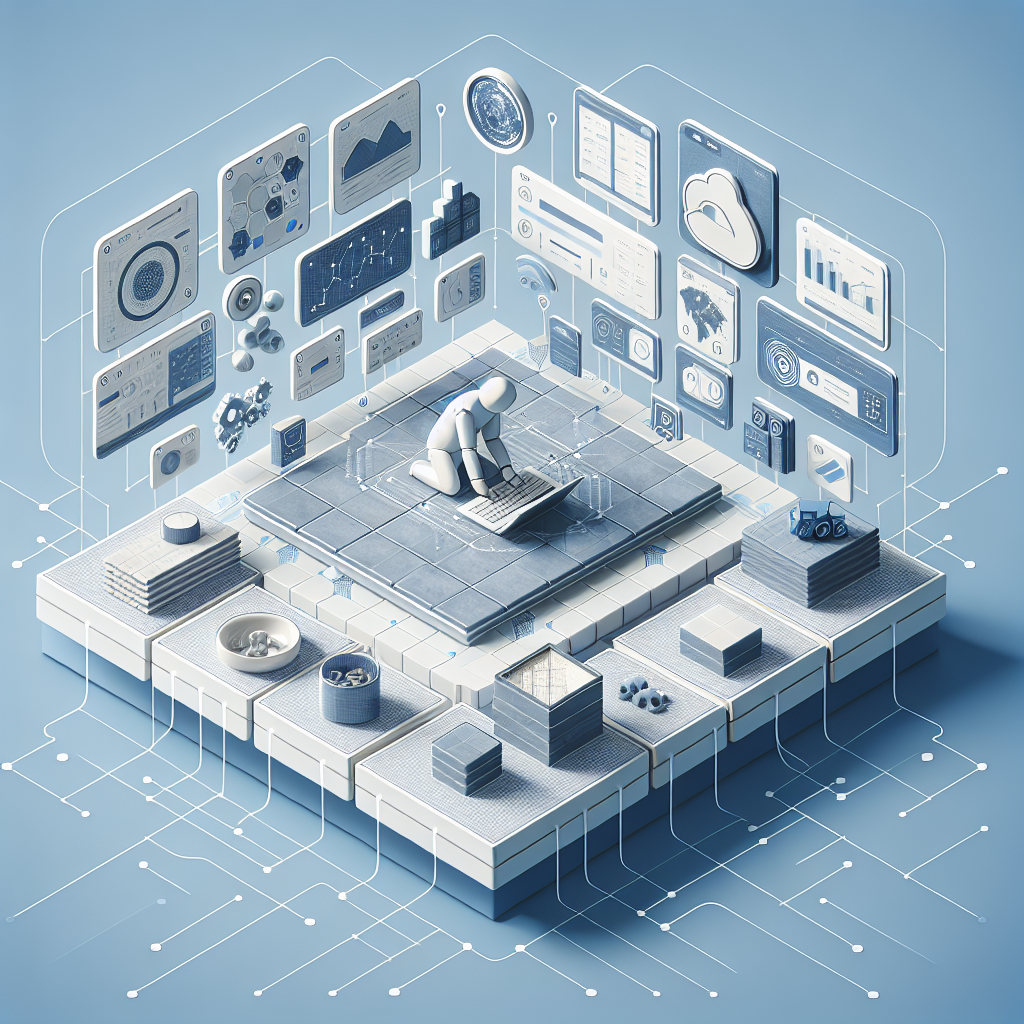

The ceramic tile industry is on the brink of a technological revolution. As businesses strive to remain competitive in an increasingly digital marketplace, the adoption of innovative technologies like artificial intelligence (AI) and cloud-based Enterprise Resource Planning (ERP) is becoming essential. For businesses in the tiles and ceramics sector, embracing these technologies can lead to improved efficiency, enhanced customer experiences, and significant growth in revenue streams.
The current landscape of B2B ecommerce is characterized by heightened customer expectations and rapidly evolving market dynamics. To thrive, ceramic tile businesses must leverage data-driven operations, automation, and integrated digital solutions. This blog explores how modern technologies contribute to the ongoing transformation within the ceramic tile industry, highlighting the opportunities that come with digital transformation and the implementation of robust e-commerce strategies.
Advancements in Digital Commerce
The rise of e-commerce platforms, such as Magento and Shopify, has significantly altered the way ceramic tiles are marketed and sold. Businesses can now reach a more extensive customer base through these platforms, offering enhanced online shopping experiences. Features such as virtual product displays, 3D modeling, and advanced filtering options allow customers to visualize their selections, leading to increased conversion rates.
Incorporating customer relationship management (CRM) systems alongside these platforms has proven beneficial. By automating customer interactions and streamlining marketing efforts, businesses can tailor their outreach strategies to meet specific customer needs.
AI and Automation in Manufacturing
Another significant trend is the integration of AI in manufacturing processes. AI-driven analytics are redefining how businesses manage their supply chains and production facilities. With technologies capable of predictive analytics, companies can optimize inventory levels, reduce waste, and anticipate market demand more effectively.
Key benefits of AI automation in the tiles industry include:
- Enhanced production efficiency through data-driven decision making.
- Improved quality control, resulting in fewer defects and higher customer satisfaction.
- Real-time supply chain monitoring, reducing lead times and improving responsiveness to market changes.
Cloud-based ERP Solutions for Scalability
Cloud-based ERP solutions, such as Odoo ERP, are becoming increasingly popular in the tiles and ceramics sector. These systems provide companies with a centralized platform to manage operations, finances, and supply chain management seamlessly.
Some advantages of cloud-based ERP include:
- Cost savings through reduced infrastructure costs and enhanced deployment speed.
- Accessibility from anywhere, which is critical for remote work environments.
- Scalability that allows businesses to expand operations without substantial upfront investments.
Such flexibility is vital for businesses looking to adapt quickly to evolving market trends and customer demands.
Digital Transformation Strategies
The journey towards a comprehensive digital transformation requires a strategic approach. Companies must assess their current technology stack, identify areas for improvement, and establish clear goals for transformation. Some essential steps include:
1. Conducting a technology audit to evaluate existing systems and processes.
2. Implementing training programs to empower employees with new technologies.
3. Developing a roadmap that aligns with the company’s long-term digital strategy.
As businesses in the tiles and ceramics sector embark on this journey, they should prioritize building a culture that embraces change. This cultural shift is essential to harness the full potential of new technologies and drive innovation.
Fostering Customer-Centric Experiences
In today’s market, customer experience is paramount. To remain competitive in the B2B ecommerce space, tile companies must prioritize user-friendly interfaces, personalized product recommendations, and rapid customer service responses.
AI technologies can personalize marketing campaigns, offering tailored product suggestions based on customer behavior and preferences. By analyzing data patterns, businesses can craft targeted marketing, enhancing customer satisfaction and loyalty.
In summary, integrating AI, cloud-based ERP solutions, and robust e-commerce platforms can transform the ceramic tile industry, driving efficiency, scalability, and customer engagement. The companies that prioritize these technologies will not only enhance their operational capabilities but also prepare themselves for sustainable growth in the digital landscape.
Conclusion
As the ceramic tile industry navigates a rapidly changing business environment, leveraging AI and cloud-based ERP systems will be crucial for future success. By embracing these digital transformation strategies, companies can enhance efficiency, improve customer experiences, and ultimately increase their revenue in an evolving B2B ecommerce landscape.
FAQs
1. How can AI help ceramic tile businesses improve production?
AI can streamline production processes, enhance quality control, and provide predictive analytics for inventory management.
2. What are the benefits of cloud-based ERP for the tiles industry?
Cloud-based ERP offers scalability, cost savings, and remote accessibility, allowing companies to efficiently manage operations from anywhere.
3. Why is customer experience important in the B2B tiles market?
A positive customer experience promotes loyalty, enhances satisfaction, and can lead to increased sales and repeat business.
4. How can businesses automate customer interactions?
Integrating CRM systems with e-commerce platforms allows for automated responses and personalized marketing, improving customer engagement.
5. What role does digital transformation play in the sales of ceramic tiles?
Digital transformation enhances operational efficiency, scales business processes, and improves customer interactions, thus boosting sales performance.