
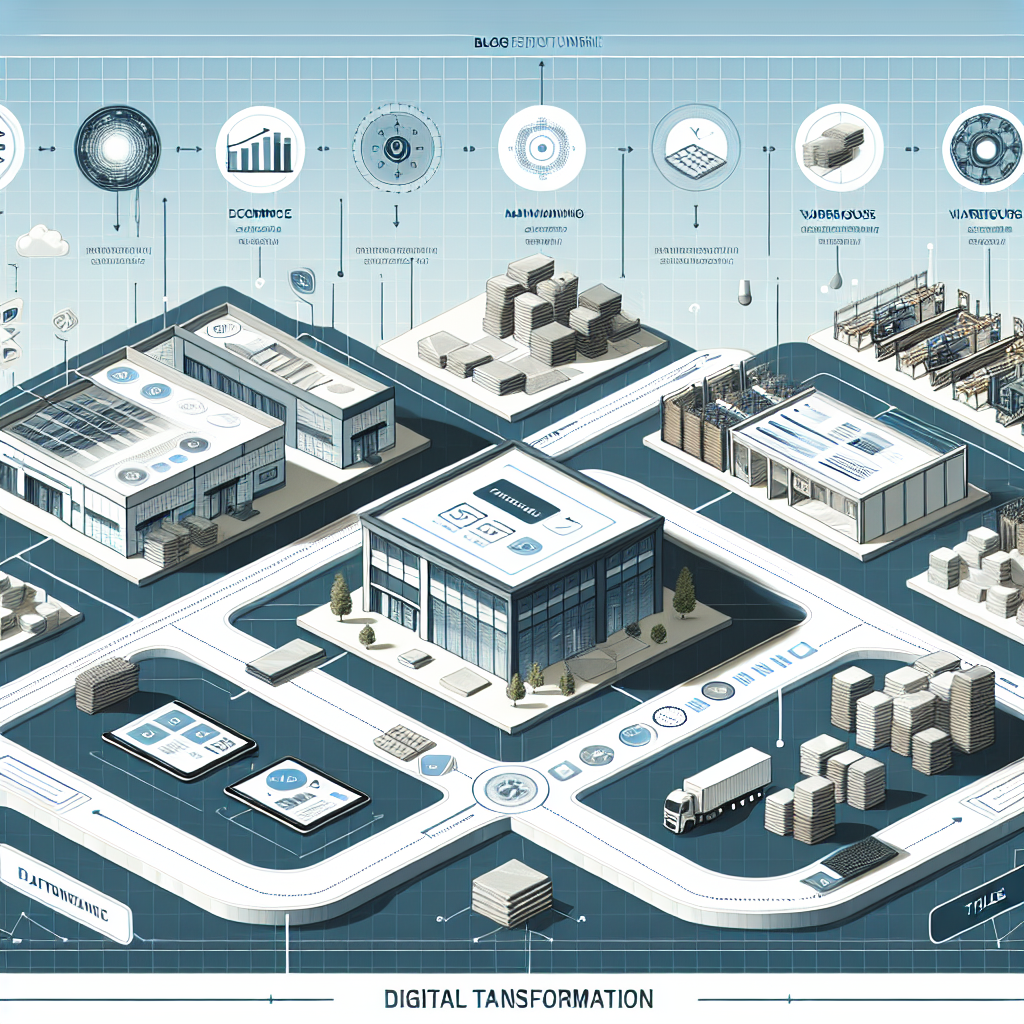
In a rapidly evolving marketplace, the tiles industry faces significant challenges in inventory management and order fulfillment. For businesses aiming to scale operations and improve efficiency, implementing robust digital technologies, including ERP (Enterprise Resource Planning) systems and CRM (Customer Relationship Management) automation, is no longer optional; it’s a necessity. This blog discusses how these systems transform the tiles industry, particularly in addressing inventory mismanagement and enhancing dealer order management.
Understanding the Challenges in the Tiles Industry
The tiles and ceramics sector is characterized by complex supply chains and often, a mismatch in inventory levels. Common challenges include:
- Overstocking, leading to increased holding costs
- Stockouts that result in lost sales and dissatisfied customers
- Inefficient order processing causing delays and errors
Conventional methods of inventory management are often insufficient to meet the dynamic needs of today’s marketplace. As a technology consultant, I frequently encounter businesses struggling with these challenges, highlighting the need for an integrated approach.
The Role of ERP in Inventory Management
ERP systems are pivotal in transforming the operational landscape of the tiles industry. By consolidating various business processes into a single, centralized system, ERP solutions offer visibility and improve decision-making.
Benefits of ERP for the Tiles Industry include:
- **Real-Time Inventory Monitoring**: Automated inventory tracking ensures businesses have accurate data at their fingertips.
- **Demand Forecasting**: Advanced analytics capabilities help predict future inventory needs, enabling more informed purchasing decisions.
- **Streamlined Processes**: Automating order processing minimizes manual errors, ensuring faster delivery times and enhanced customer satisfaction.
For tiles businesses, ERP systems such as Odoo ERP provide customizable solutions tailored to manufacturing and distribution needs. This adaptability allows companies to scale operations efficiently, responding better to market demands.
How CRM Automation Enhances Dealer Order Management
While ERP systems handle the nitty-gritty of inventory, CRM automation enhances the relationship businesses maintain with their dealers. Strengthened dealer relationships are critical in the tiles industry given the reliance on third-party distributors and retailers.
Key Advantages of CRM Automation:
- **Improved Communication**: Automated communication tools facilitate smoother interactions with dealers, improving response times and engagement.
- **Order Tracking**: CRM systems provide dealers with real-time order statuses, driving transparency and trust.
- **Data-Driven Insights**: Utilizing CRM analytics helps businesses understand dealer preferences, leading to tailored offerings and increased sales.
Platforms like Magento and Shopify cater specifically to the ecommerce needs of the tiles industry, enabling seamless integration with CRM systems. This integration allows for a holistic approach where dealer management is complemented by a robust online presence.
Digital Transformation: A Holistic Approach
Beyond ERP and CRM systems, the concept of digital transformation permeates all aspects of a tiles business. Embracing digital change involves reevaluating business models and leveraging new technologies to drive growth and efficiency.
Opportunities through Digital Transformation:
- **Enhanced Customer Experience**: Implementing e-commerce platforms that offer exceptional user experience can drastically improve customer retention.
- **Warehouse Automation**: Technologies such as automated storage and retrieval systems streamline shipping processes, reducing labor costs and turnaround times.
- **Informed Decision-Making**: Analytics tools can provide actionable insights on consumer behavior, driving strategic marketing and product placement decisions.
Business owners and CTOs must prioritize digital transformation initiatives that align with their overall strategic goals, focusing on all aspects from supply chain management to customer engagement.
Real-World Scenario: Successful Implementation
Consider a mid-sized tiles manufacturer that integrated an Odoo ERP system with a Shopify ecommerce platform. Before implementation, the company faced significant delays in order fulfillment, leading to customer dissatisfaction.
After digitizing their processes:
- Inventory visibility improved, leading to a 30% reduction in excess stock.
- Order processing times decreased by 50%, resulting in faster deliveries.
- Enhanced dealer relationships led to a 20% increase in repeat orders.
This success story illustrates the transformative power of embracing digital technologies in the tiles and ceramics industry.
Conclusion
For businesses in the tiles industry, leveraging ERP and CRM automation to resolve inventory mismanagement and enhance dealer order management is essential for increasing operational efficiency. The integration of these technologies not only streamlines processes but also positions companies for sustainable growth in an ever-evolving market landscape. Business leaders are encouraged to embrace these innovations, positioning themselves as competitive players in the digital age.
FAQs
What is ERP and why is it important for the tiles industry?
ERP integrates business processes, enhancing visibility and decision-making for inventory management.
How does CRM automation improve dealer relationships?
It streamlines communication and provides real-time order tracking, fostering trust and engagement.
What role does ecommerce play in the tiles business?
Ecommerce platforms enhance customer experience, broaden market reach, and facilitate direct sales.
How can digital transformation impact my tiles business?
It enables better data analysis, improves operational processes, and fosters innovation, driving growth.
What are the benefits of warehouse automation in the tiles industry?
Warehouse automation reduces labor costs, minimizes errors in shipping, and improves turnaround times for order fulfillment.