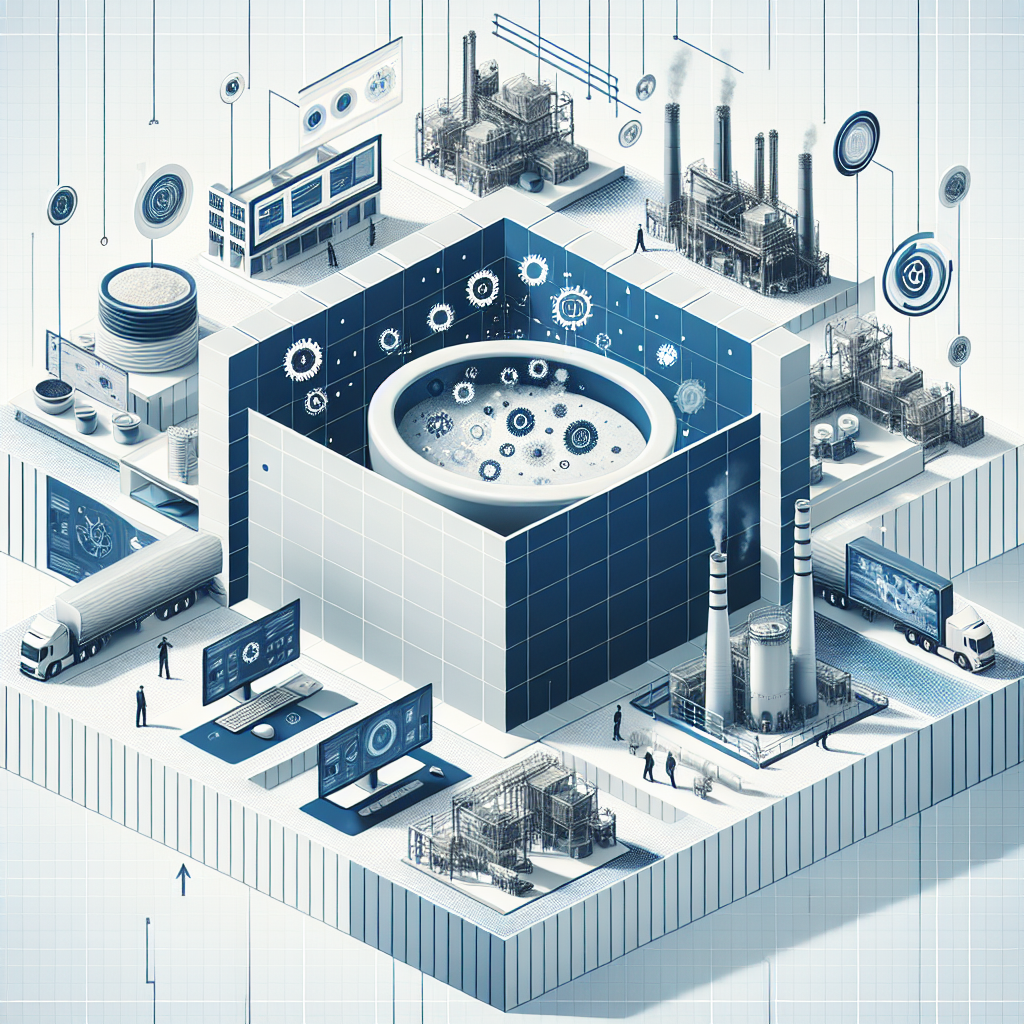
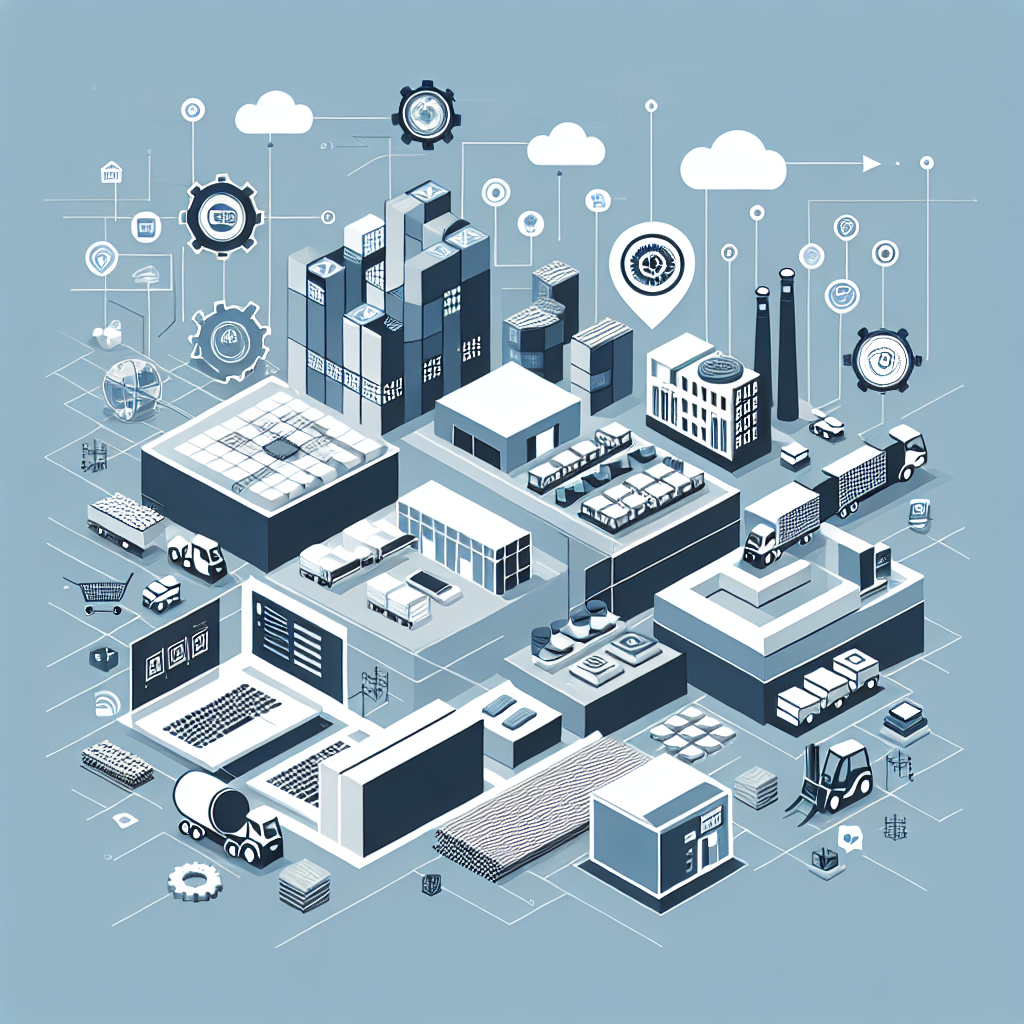
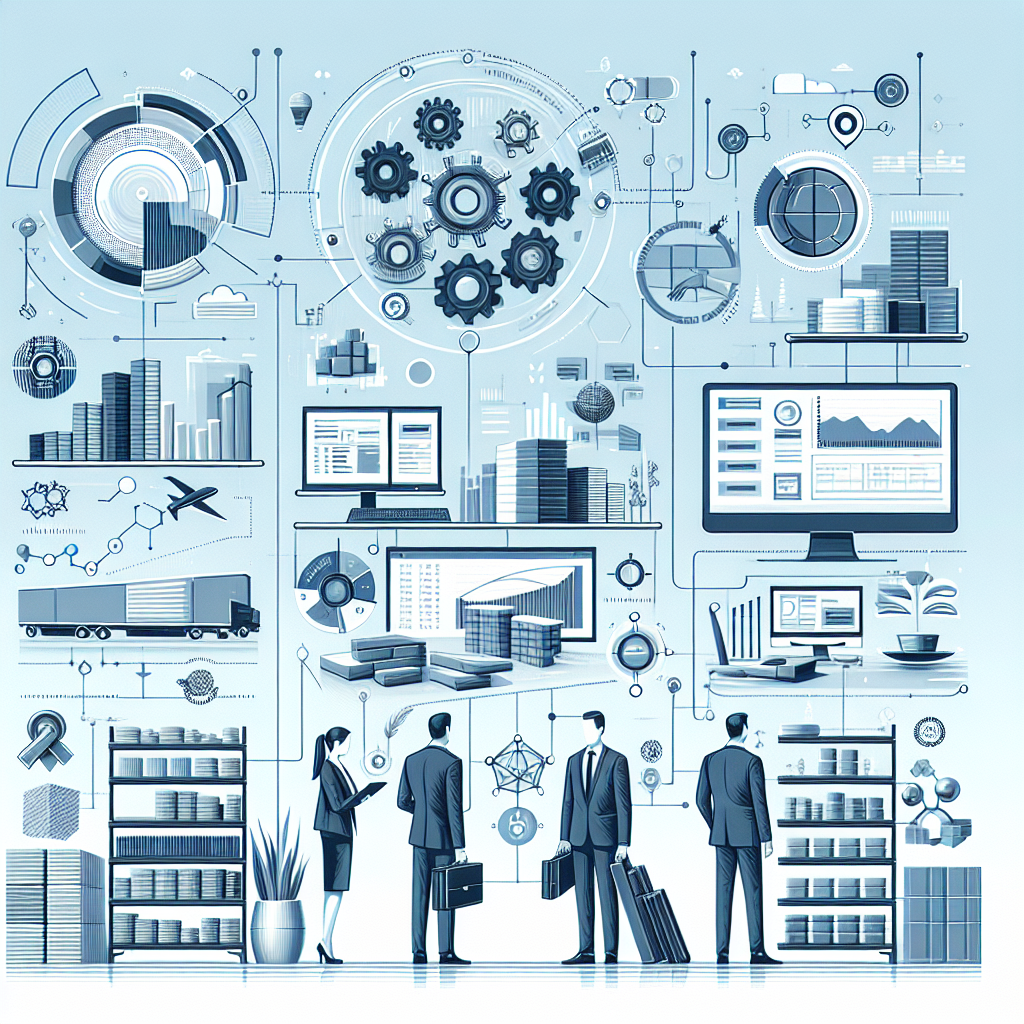
The tiles and ceramic industry is entering a decisive phase of digital transformation. Traditional manufacturing and distribution models are no longer sufficient to compete in a global, fast-moving B2B ecommerce environment. Today, AI-powered ERP systems, predictive analytics, and modern tiles ecommerce development are reshaping how businesses operate, scale, and serve customers.
As a consultant working closely with tile manufacturers, distributors, and exporters, I see a clear shift: companies investing in intelligent systems are outperforming those relying on manual processes. The integration of ERP for tiles industry operations, combined with AI automation for manufacturing, is unlocking efficiencies that were previously unattainable.
The Shift from Legacy Systems to AI-Driven ERP
Most tile businesses still operate with fragmented systems across production, inventory, sales, and finance. This creates data silos, delays decision-making, and increases operational risks.
Modern ERP platforms such as Odoo ERP for manufacturing are changing this landscape by centralizing operations and layering AI capabilities on top. These systems do more than record transactions; they actively guide decision-making.
Key transformations include:
- Real-time production planning based on demand forecasts
- Automated inventory optimization across warehouses
- Predictive maintenance for machinery to reduce downtime
- Integrated financial visibility for better cash flow control
With AI embedded into ERP, businesses can anticipate disruptions instead of reacting to them. This is particularly critical in the tiles industry, where production cycles, raw material costs, and logistics are highly sensitive to market fluctuations.
Predictive Analytics in Tiles Manufacturing
Predictive analytics is becoming a competitive differentiator. By analyzing historical production data, market demand, and seasonal trends, tile manufacturers can align output with actual demand.
In practical terms, this means:
- Reducing overproduction and excess inventory
- Improving kiln utilization and energy efficiency
- Forecasting product demand by region or customer segment
- Identifying high-margin product lines
For example, a tile manufacturer exporting to multiple countries can use predictive models to adjust designs, finishes, and quantities based on regional buying patterns. This level of precision directly impacts profitability.
Warehouse Automation and Distribution Efficiency
Warehouse automation for tiles industry operations is another area seeing rapid advancement. Tiles are heavy, fragile, and require careful handling, making logistics complex.
AI-driven warehouse systems integrated with ERP enable:
- Smart palletization and storage optimization
- Automated picking and dispatch planning
- Real-time inventory tracking across multiple locations
- Reduced handling errors and breakage
When combined with ERP, warehouse automation ensures that inventory data is always accurate, enabling seamless order fulfillment for both domestic and international clients.
The Rise of B2B Tiles Ecommerce Platforms
Global buyers increasingly expect the same digital experience in B2B transactions as they do in B2C. This is driving demand for robust tiles ecommerce development solutions.
Platforms built on Magento for tiles business or Shopify for tiles ecommerce are enabling manufacturers and distributors to digitize their sales channels. These platforms are not just online catalogs; they are fully integrated commerce ecosystems.
Core capabilities include:
- Customer-specific pricing and catalogs
- Bulk ordering and quick reorder functionality
- Real-time stock visibility linked to ERP
- Multi-currency and multi-language support for global trade
For exporters, this means reaching international buyers without relying solely on intermediaries. It also shortens the sales cycle and improves customer engagement.
CRM Automation and Customer Intelligence
In a competitive market, understanding customer behavior is critical. CRM systems integrated with ERP and ecommerce platforms provide a 360-degree view of customers.
AI-driven CRM tools help tile businesses:
- Track customer preferences and purchase history
- Automate follow-ups and sales workflows
- Identify high-value clients and upsell opportunities
- Improve response times and customer satisfaction
This level of customer intelligence allows businesses to move from transactional selling to relationship-driven growth.
Mid-Section Focus: Integrating ERP, Ecommerce, and AI for Scalable Growth
The real transformation happens when ERP, ecommerce, and AI systems are fully integrated.
A tile company using ERP for tiles industry operations, combined with Magento or Shopify platforms, can achieve end-to-end digital synchronization. Orders placed online automatically trigger production planning, inventory allocation, and logistics workflows.
This integration delivers:
- Faster order processing with minimal manual intervention
- Accurate delivery timelines based on real-time data
- Reduced operational costs through automation
- Enhanced customer experience through transparency
For example, a distributor using Shopify for tiles ecommerce can display live inventory pulled directly from ERP. When a customer places an order, the system automatically updates stock, schedules dispatch, and generates invoices without human intervention.
This is the foundation of Industry 4.0 in the tiles sector.
Global B2B Expansion Through Digital Transformation
Digital transformation is no longer optional for tile companies aiming to expand globally. Buyers are increasingly sourcing products online, comparing suppliers, and expecting seamless digital interactions.
Companies that invest in:
- AI automation for manufacturing
- Advanced ERP systems
- Scalable ecommerce platforms
- Data-driven decision-making
are better positioned to enter new markets and compete with global players.
Additionally, digital platforms provide valuable data insights into international demand patterns, helping businesses refine their export strategies.
Overcoming Implementation Challenges
Despite the benefits, many tile businesses hesitate due to perceived complexity and cost. However, modern solutions are more modular and scalable than ever.
Successful implementation requires:
- Clear digital transformation roadmap
- Selection of the right ERP and ecommerce platforms
- Process standardization before automation
- Training teams to adopt new technologies
Working with experienced technology partners ensures smoother implementation and faster ROI.
Conclusion
The tiles and ceramic industry is undergoing a fundamental shift driven by AI, ERP, and ecommerce innovation. Businesses that embrace AI-powered ERP, predictive analytics, and modern tiles ecommerce development are not just improving efficiency; they are redefining how they operate and grow.
From Odoo ERP for manufacturing to Magento for tiles business and Shopify for tiles ecommerce, the tools are available to build scalable, intelligent, and globally competitive operations.
The question is no longer whether to adopt digital transformation, but how quickly businesses can implement it to stay ahead in an increasingly competitive market.
FAQs
What is the role of ERP in the tiles industry?
ERP systems centralize operations such as production, inventory, sales, and finance, enabling better efficiency, real-time visibility, and data-driven decision-making.
How does AI improve tile manufacturing processes?
AI helps optimize production planning, predict maintenance needs, reduce waste, and align manufacturing with market demand through predictive analytics.
Which ecommerce platforms are best for tiles businesses?
Magento and Shopify are widely used for tiles ecommerce development due to their scalability, customization, and integration capabilities with ERP systems.
What is warehouse automation in the tiles industry?
It involves using technology to optimize storage, picking, and dispatch processes, reducing errors, improving efficiency, and ensuring accurate inventory management.
How can digital transformation help tile exporters grow globally?
Digital tools like ERP, ecommerce platforms, and AI analytics enable exporters to reach global buyers, streamline operations, and make data-driven market expansion decisions.