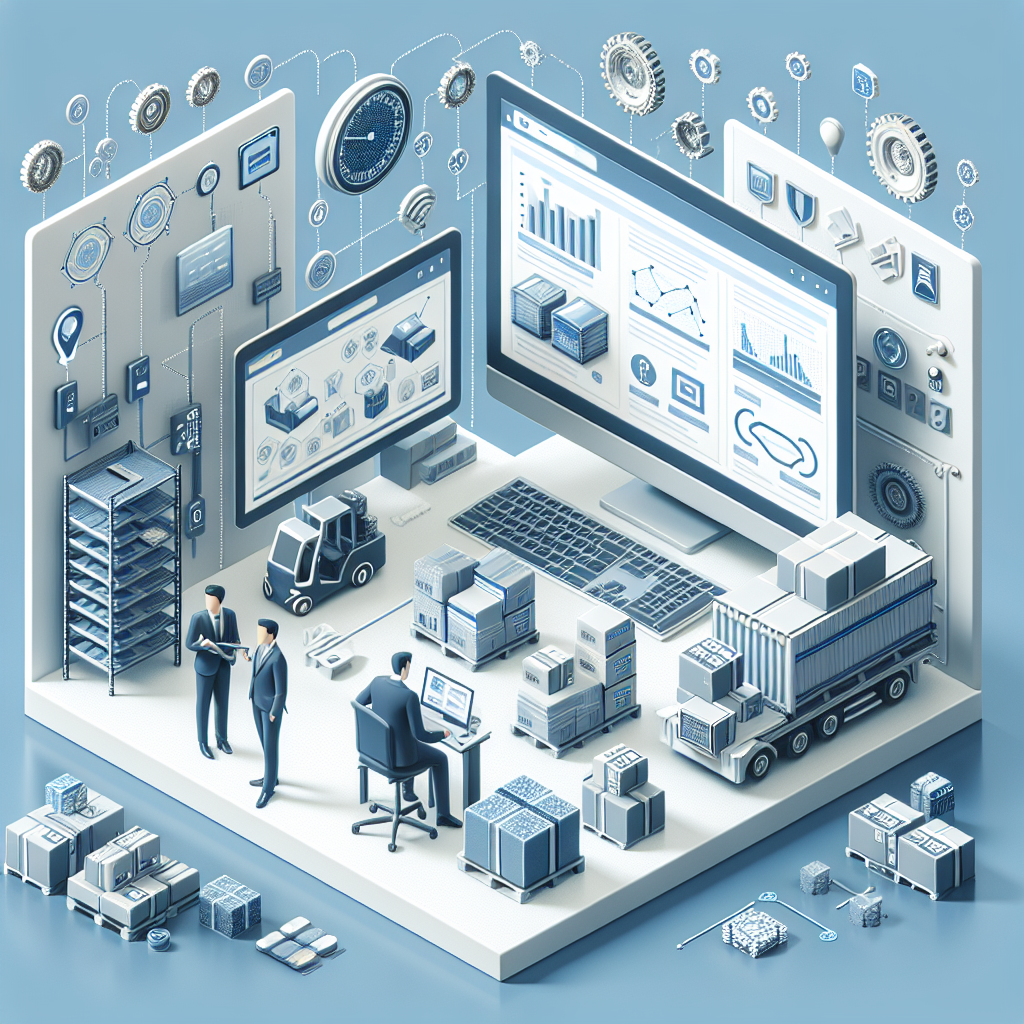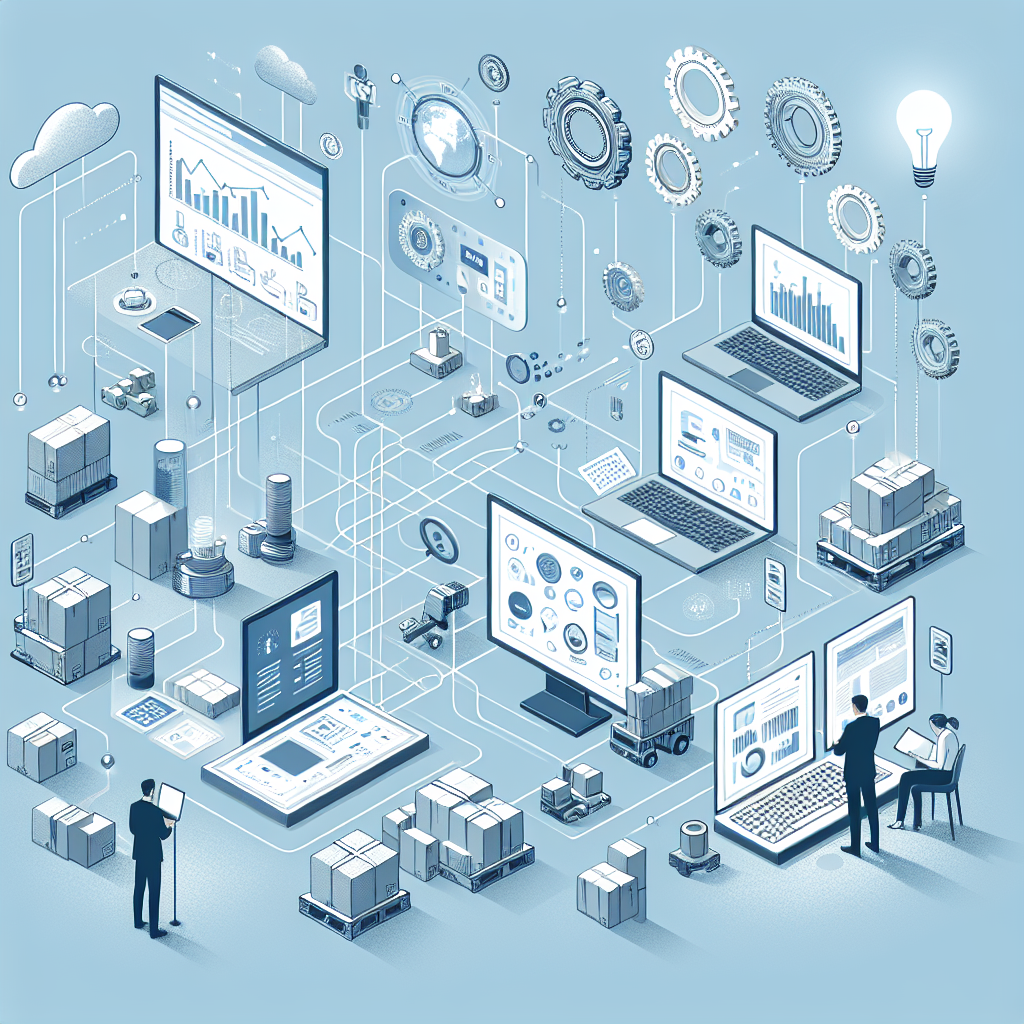
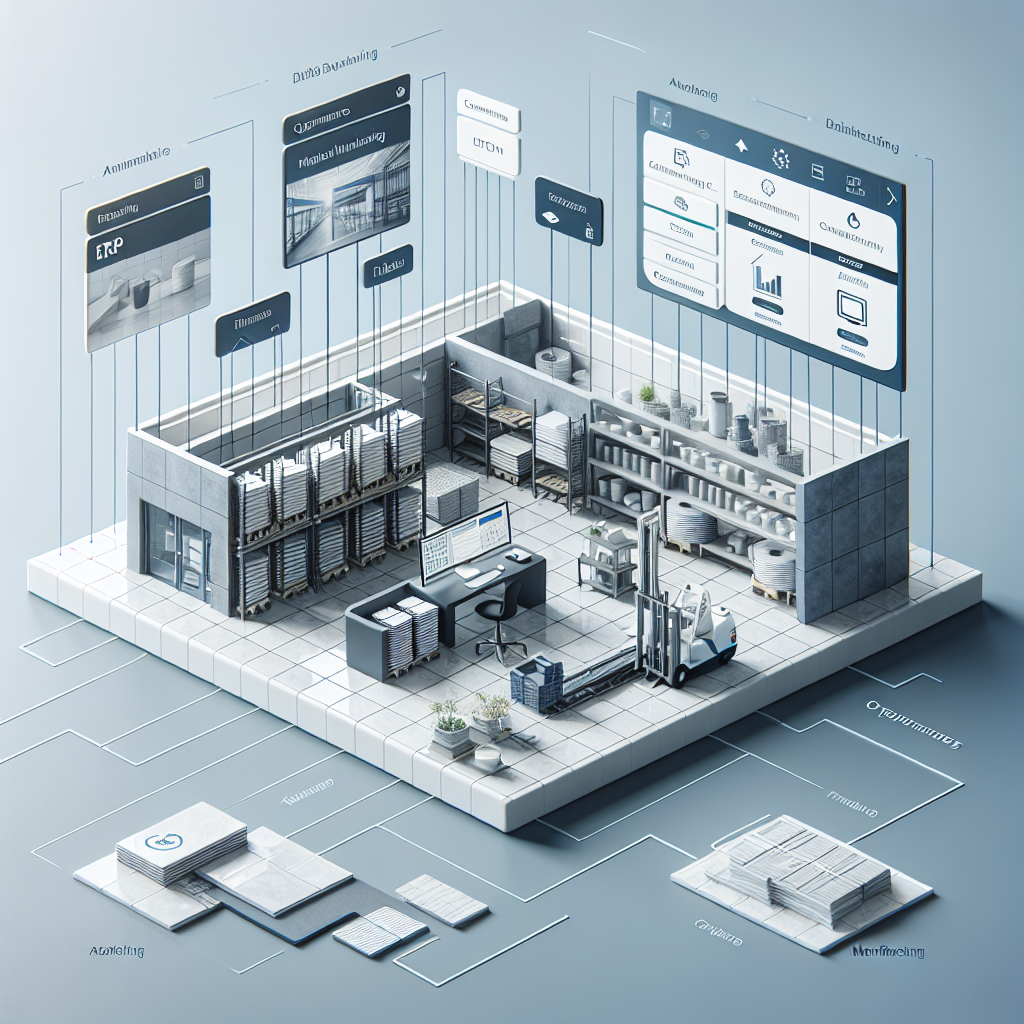
The global tile manufacturing industry is undergoing a significant transformation as digital technologies redefine how businesses operate, sell, and scale. In 2026, AI-driven ERP systems and B2B ecommerce platforms are no longer optional investments but essential components of a competitive strategy.
Manufacturers, distributors, and suppliers are leveraging AI automation for manufacturing, ERP for manufacturing, and modern B2B ecommerce development to streamline operations, reduce costs, and improve customer experience. Companies that embrace these technologies are gaining a clear edge in a highly competitive and margin-sensitive market.
The Shift Toward Digital-First Manufacturing Operations
Traditional manufacturing processes often rely on fragmented systems, manual workflows, and limited data visibility. This results in inefficiencies across procurement, production, inventory management, and distribution.
Modern ERP systems such as Odoo ERP for manufacturing are enabling centralized control over operations. When combined with AI, these platforms provide predictive insights, automate routine tasks, and enhance decision-making.
Key transformation areas include:
- Production Planning Optimization: AI-driven ERP systems forecast demand and adjust production schedules dynamically.
- Real-Time Inventory Visibility: Businesses can track raw materials and finished goods across multiple warehouses.
- Cost Control and Margin Analysis: Data-driven insights help manufacturers identify inefficiencies and optimize pricing strategies.
By implementing ERP for manufacturing, companies can transition from reactive operations to proactive, intelligence-driven workflows.
The Rise of B2B Ecommerce in Industrial Distribution
The expectations of B2B buyers have changed dramatically. Customers now expect the same seamless, digital-first experience they receive in B2C environments.
Platforms such as Shopify B2B ecommerce and Magento B2B ecommerce are enabling tile distributors to digitize their sales channels and expand into global markets.
Key benefits of B2B ecommerce development include:
- Self-Service Ordering: Customers can browse catalogs, check inventory, and place bulk orders anytime.
- Personalized Pricing and Catalogs: Different customer segments receive tailored pricing and product visibility.
- Faster Order Processing: Integration with ERP systems eliminates manual order entry and reduces errors.
For tile manufacturers and distributors, this shift is particularly impactful as it reduces dependency on traditional sales channels and improves order accuracy.
AI Automation and Smart Manufacturing Technologies
AI automation for manufacturing is driving the next wave of Industry 4.0 transformation. Smart factories are leveraging machine learning, IoT sensors, and predictive analytics to improve efficiency and reduce downtime.
In tile manufacturing, AI is being used to monitor kiln performance, optimize energy consumption, and detect defects in real time. This leads to higher product quality and lower operational costs.
Common applications include:
- Predictive Maintenance: AI models identify equipment issues before failures occur.
- Quality Control Automation: Computer vision systems detect surface defects and inconsistencies.
- Energy Optimization: AI reduces energy usage in high-consumption processes like firing and drying.
These advancements are not only improving operational efficiency but also supporting sustainability initiatives across the industry.
ERP and Ecommerce Integration: The Backbone of Digital Transformation
The real power of digital transformation lies in the integration of ERP systems with B2B ecommerce platforms. This creates a unified ecosystem where data flows seamlessly across departments.
When ERP for manufacturing is integrated with ecommerce platforms like Shopify or Magento, businesses can:
- Sync inventory and pricing in real time
- Automate order-to-cash workflows
- Improve demand forecasting with unified data
- Enhance customer experience through accurate order tracking
This integration eliminates silos and ensures that operations, sales, and supply chain teams are aligned.
Warehouse Automation and Supply Chain Efficiency
Warehouse management systems and automation technologies are playing a critical role in modern tile distribution networks. As order volumes grow and customer expectations increase, manual warehouse processes become a bottleneck.
Warehouse automation systems enable:
- Faster Picking and Packing: Automated systems reduce order processing time.
- Improved Accuracy: Barcode scanning and AI-driven validation minimize errors.
- Optimized Storage: Intelligent systems maximize warehouse space utilization.
For businesses operating across multiple regions, these systems also enable better coordination and faster delivery times.
Data Analytics and Decision Intelligence
Data is now one of the most valuable assets in manufacturing and distribution. Advanced data analytics platforms are helping businesses turn raw data into actionable insights.
With AI-driven ERP and analytics tools, companies can:
- Identify top-performing products and markets
- Optimize pricing strategies based on demand patterns
- Forecast sales with greater accuracy
- Monitor supply chain risks in real time
This level of visibility empowers leadership teams to make informed decisions and respond quickly to market changes.
CRM Automation and Customer Experience
In a competitive B2B environment, customer experience is a key differentiator. CRM automation systems integrated with ERP and ecommerce platforms enable businesses to manage customer relationships more effectively.
Capabilities include:
- Automated lead management and follow-ups
- Centralized customer data and interaction history
- Personalized communication and offers
- Improved after-sales support
By aligning CRM with B2B ecommerce development strategies, companies can build stronger, long-term customer relationships.
Future Outlook: Building a Scalable Digital Ecosystem
As we move further into 2026, the convergence of AI, ERP systems, and B2B ecommerce platforms will continue to reshape the tile manufacturing industry.
Businesses that invest in digital transformation for industrial businesses will benefit from:
- Greater operational agility
- Scalable global distribution models
- Enhanced customer engagement
- Increased profitability through automation
However, successful transformation requires a strategic approach. Technology implementation must align with business goals, and organizations must be prepared to adapt their processes and culture.
Conclusion
AI-driven ERP systems, B2B ecommerce platforms, and warehouse automation systems are redefining how tile manufacturers and distributors operate in 2026. From production optimization to digital sales channels, these technologies enable businesses to streamline operations, improve customer experiences, and scale efficiently.
For manufacturers exploring ERP for manufacturing or investing in Shopify B2B ecommerce and Magento B2B ecommerce solutions, the opportunity is clear. Embracing AI automation for manufacturing and integrated digital platforms is no longer a future vision but a present-day necessity.
Companies that act now will position themselves as leaders in a rapidly evolving industrial landscape.
FAQs
1. How does AI-driven ERP improve manufacturing efficiency?
AI-driven ERP systems automate planning, provide predictive insights, and optimize resource utilization, reducing downtime and operational costs.
2. Why is B2B ecommerce important for tile manufacturers?
B2B ecommerce platforms enable digital ordering, expand market reach, and improve customer experience through self-service capabilities.
3. What is the role of warehouse automation systems in distribution?
Warehouse automation systems streamline picking, packing, and inventory management, improving accuracy and reducing order fulfillment time.
4. How do ERP and ecommerce integration benefit businesses?
Integration ensures real-time data synchronization, automates workflows, and enhances visibility across operations and sales.
5. Which platforms are commonly used for B2B ecommerce development?
Popular platforms include Shopify B2B ecommerce and Magento B2B ecommerce, both offering scalable solutions for industrial businesses.
6. What are the first steps in digital transformation for industrial businesses?
Start with assessing current processes, selecting the right ERP system, integrating ecommerce platforms, and implementing data-driven decision tools.