The ceramic tiles industry is undergoing a fundamental shift in 2026. Rising global competition, volatile supply chains, and increasing customer expectations are forcing manufacturers and distributors to rethink traditional operating models. Businesses that once relied on manual workflows and fragmented systems are now adopting AI-powered ERP systems, B2B ecommerce platforms, and automation-driven processes to stay competitive.
From tiles ecommerce development to ERP for tiles industry operations, digital transformation is no longer optional. It is a strategic necessity. As someone who has worked closely with tile manufacturers, exporters, and distributors for over two decades, the companies that are scaling today are those investing in integrated, data-driven ecosystems.
The Shift Toward AI-Powered ERP in Tile Manufacturing
Modern ERP systems are no longer just record-keeping tools. AI-powered ERP platforms are enabling predictive, intelligent decision-making across manufacturing, procurement, and supply chain operations.
In tile manufacturing, where production planning, raw material usage, and kiln efficiency directly impact margins, AI-driven ERP systems are delivering measurable value.
- Predictive Production Planning: AI analyzes historical demand, seasonal trends, and order patterns to optimize production schedules.
- Raw Material Optimization: Intelligent systems reduce wastage by forecasting precise material requirements.
- Maintenance Automation: Predictive maintenance minimizes kiln downtime and extends equipment lifespan.
- Real-Time Cost Control: ERP dashboards provide visibility into production costs, energy usage, and operational efficiency.
Solutions like Odoo ERP for manufacturing are gaining traction due to their flexibility, scalability, and ability to integrate seamlessly with other digital systems.
B2B Ecommerce: Transforming How Tiles Are Sold Globally
The traditional tile sales model—dependent on distributors, showrooms, and offline catalogs—is rapidly evolving. B2B ecommerce platforms are now enabling manufacturers to reach global buyers directly, streamline order management, and offer personalized buying experiences.
Tiles ecommerce development is no longer limited to basic product listings. Advanced platforms built on Magento for tiles business or Shopify for tiles ecommerce are incorporating powerful features tailored for B2B buyers.
- Dynamic Pricing Models: Offer tiered pricing based on volume, region, or customer segment.
- Real-Time Inventory Visibility: Buyers can access accurate stock levels across warehouses.
- Custom Catalogs: Personalized product catalogs for distributors and large buyers.
- Seamless Bulk Ordering: Simplified ordering processes for large-scale purchases.
This shift is particularly impactful for exporters looking to expand into new markets without establishing a physical presence.
Warehouse Automation and Logistics Efficiency
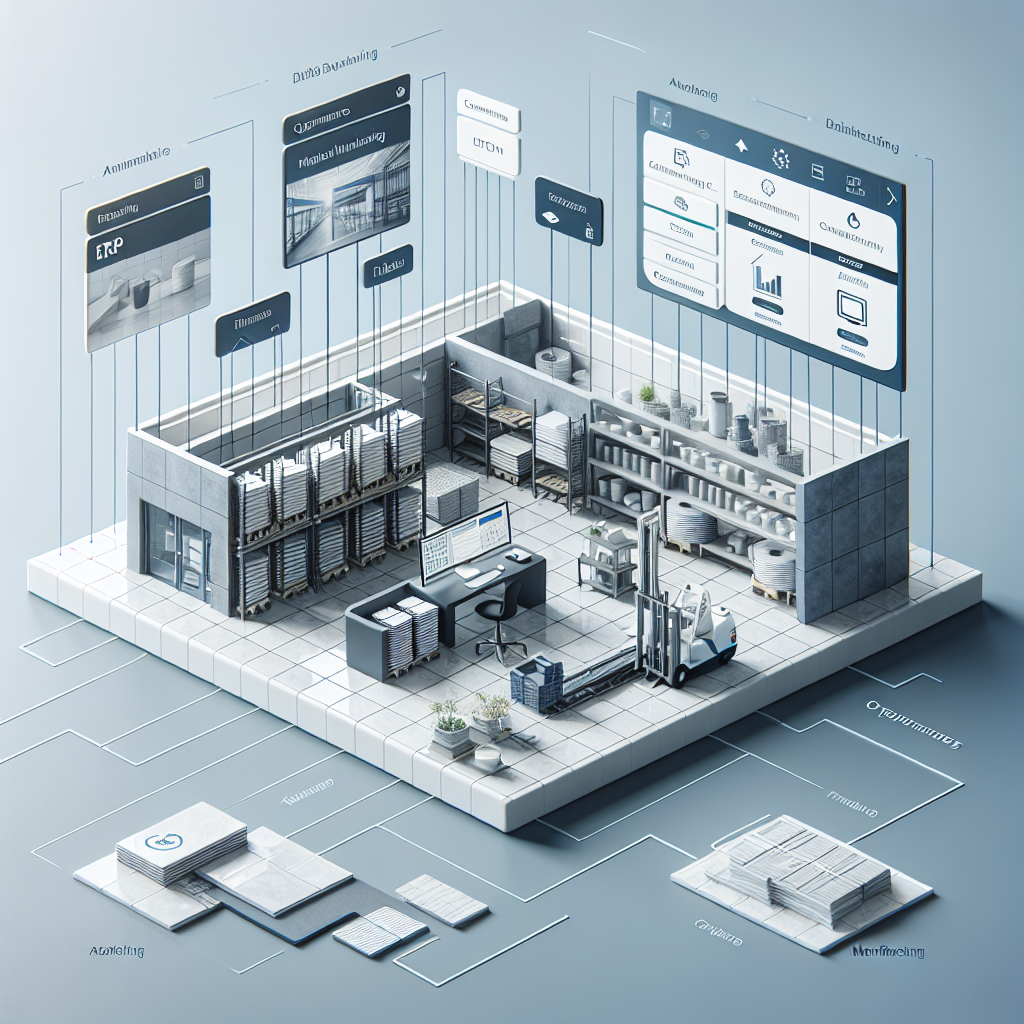
One of the biggest operational challenges in the tiles industry is handling heavy inventory, managing multiple SKUs, and ensuring timely delivery. Warehouse automation is becoming a critical component of digital transformation.
With ERP integration and AI-driven warehouse management systems, businesses are improving both speed and accuracy.
- Automated Inventory Tracking: RFID and barcode systems reduce manual errors.
- Smart Picking Systems: AI optimizes picking routes for faster order fulfillment.
- Load Optimization: Efficient packaging and loading reduce shipping costs.
- Multi-Warehouse Coordination: Centralized control over distributed inventory locations.
Warehouse automation for tiles industry operations not only improves efficiency but also enhances customer satisfaction through faster and more reliable deliveries.
Integrating CRM and Data-Driven Customer Engagement
In a competitive B2B environment, relationships still matter—but they must now be supported by data. CRM systems integrated with ERP and ecommerce platforms provide a 360-degree view of customers.
Tile businesses are leveraging CRM automation to improve engagement and drive repeat sales.
- Customer Behavior Insights: Understand purchasing patterns and preferences.
- Automated Follow-Ups: Timely communication with distributors and dealers.
- Sales Forecasting: Data-driven projections for better planning.
- Personalized Offers: Targeted promotions based on customer history.
This level of insight is especially valuable for businesses managing large distributor networks across multiple regions.
Mid-Content Insight: Connecting ERP, Ecommerce, and AI for Scalable Growth
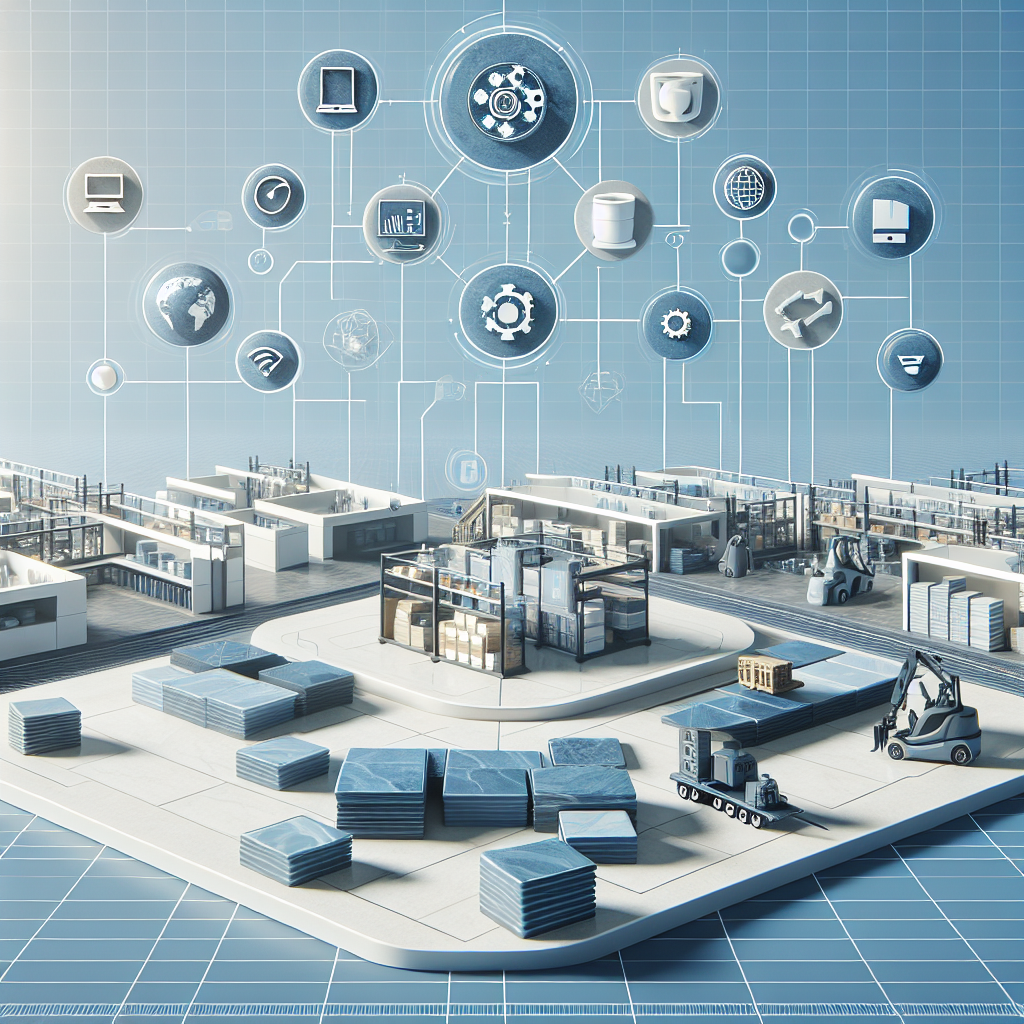
The real transformation happens when ERP for tiles industry operations, B2B ecommerce platforms, and AI automation are not implemented in isolation but as a unified ecosystem.
When integrated effectively:
- Orders placed through a Magento or Shopify platform automatically sync with ERP systems.
- Inventory updates in real time across all sales channels.
- AI analyzes sales data to optimize pricing, demand forecasting, and production planning.
- CRM systems trigger automated workflows based on customer activity.
This interconnected approach eliminates silos, reduces manual intervention, and creates a scalable digital infrastructure capable of supporting global growth.
Overcoming Common Challenges in Digital Transformation
Despite the clear benefits, many tile businesses face challenges when adopting digital technologies.
- Legacy Systems: Outdated software limits integration capabilities.
- Resistance to Change: Teams may be hesitant to adopt new workflows.
- Data Silos: Disconnected systems create inefficiencies.
- Implementation Complexity: Lack of expertise can delay projects.
The key is to adopt a phased approach, starting with core systems like ERP and gradually integrating ecommerce and automation solutions. Partnering with industry-specific technology providers ensures smoother implementation and faster ROI.
Global Export Growth Through Digital Enablement
For tile manufacturers aiming to expand internationally, digital platforms are unlocking new opportunities. B2B ecommerce combined with AI-driven insights allows businesses to identify demand trends across different regions and respond quickly.
- Market Expansion: Enter new geographies without heavy infrastructure investment.
- Faster Order Processing: Reduce turnaround time for international buyers.
- Compliance Management: ERP systems help manage export documentation and regulations.
- Currency and Pricing Flexibility: Adapt pricing strategies for global markets.
Digital transformation is enabling even mid-sized manufacturers to compete on a global scale.
Conclusion
The tiles and ceramics industry in 2026 is being reshaped by AI automation, ERP systems, and B2B ecommerce platforms. Businesses that embrace these technologies are achieving higher efficiency, better customer engagement, and stronger global positioning.
From tiles ecommerce development on Magento and Shopify to implementing Odoo ERP for manufacturing and warehouse automation for tiles industry operations, the path forward is clear. Integration, intelligence, and scalability are the pillars of success.
For business owners and digital transformation leaders, the focus should not just be on adopting technology but on building a connected ecosystem that drives long-term growth. Those who act now will define the future of the industry.
FAQs
What is the role of AI in ERP for the tiles industry?
AI enhances ERP systems by enabling predictive planning, demand forecasting, and automated decision-making, improving efficiency and reducing operational costs.
Which ecommerce platform is best for tiles businesses?
Magento is ideal for complex B2B requirements, while Shopify offers ease of use and faster deployment for tiles ecommerce development.
How does ERP integration improve tile manufacturing operations?
ERP integration centralizes data, streamlines workflows, optimizes production planning, and provides real-time insights into operations.
Why is warehouse automation important for tile companies?
Warehouse automation improves inventory accuracy, speeds up order fulfillment, reduces labor costs, and enhances logistics efficiency.
Can small tile manufacturers benefit from digital transformation?
Yes, even small manufacturers can scale operations, access global markets, and improve efficiency through ERP systems, ecommerce platforms, and automation.