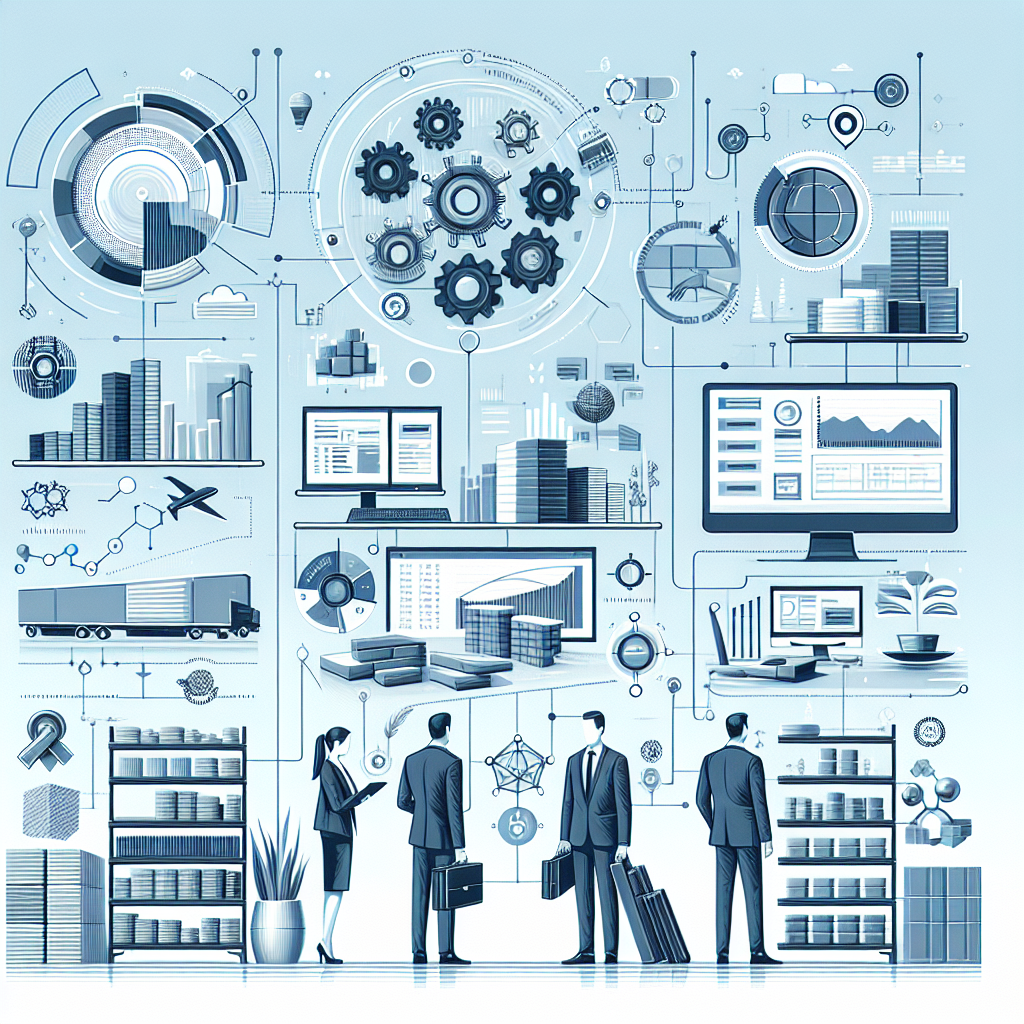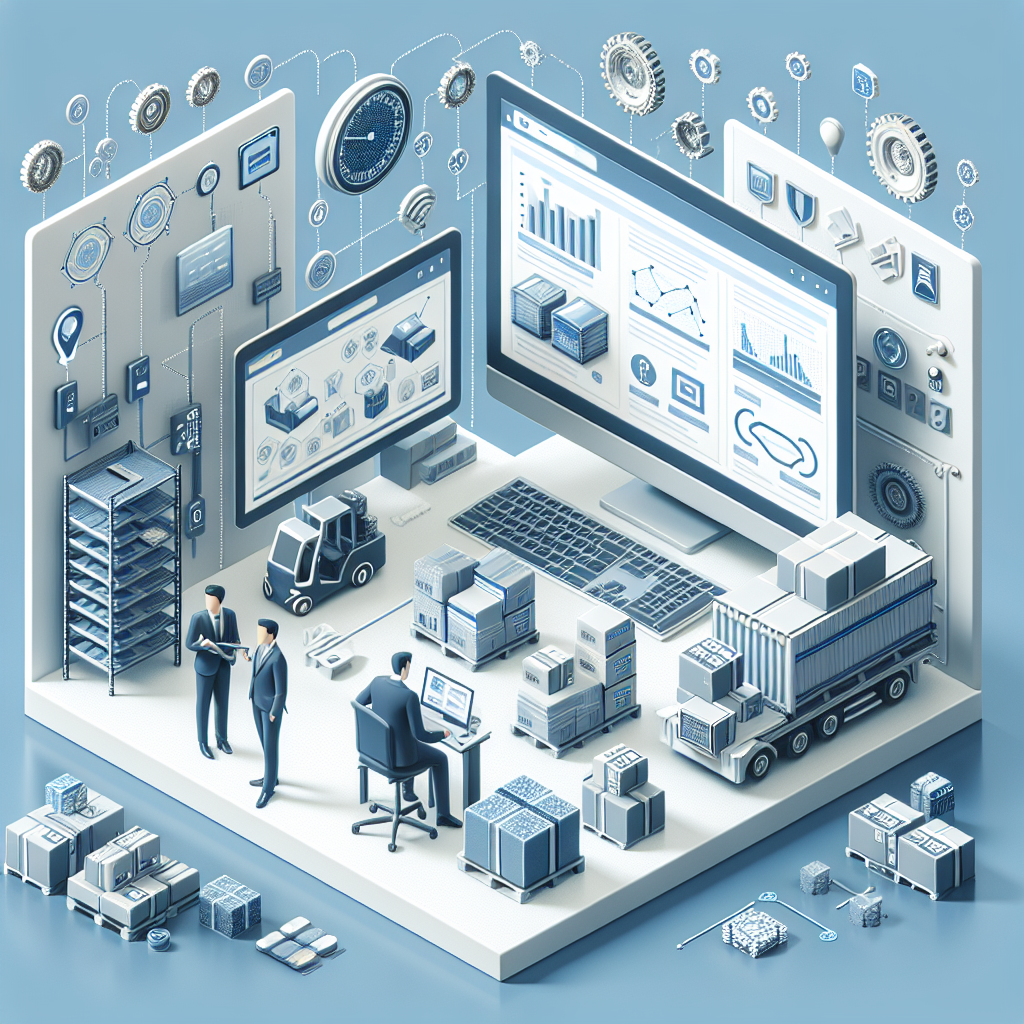
The global tile manufacturing and distribution sector is undergoing a significant transformation driven by AI automation, ERP for manufacturing, and the rapid growth of B2B ecommerce platforms. As competition intensifies and customer expectations evolve, industrial businesses are shifting toward digital transformation strategies that integrate predictive analytics, real-time data, and automation across operations.
For business owners, CTOs, and operations leaders, the challenge is no longer whether to digitize, but how to implement scalable, future-ready systems that improve efficiency while supporting growth. AI-driven ERP systems, combined with modern ecommerce frameworks like Shopify B2B ecommerce and Magento B2B ecommerce, are now central to this evolution.
The Shift Toward Intelligent Manufacturing Ecosystems
Traditional manufacturing models relied heavily on reactive decision-making and siloed systems. Today, Industry 4.0 technologies are enabling a connected ecosystem where machines, systems, and people communicate seamlessly.
AI-powered ERP platforms such as Odoo ERP for manufacturing are transforming how tile manufacturers manage production planning, procurement, inventory, and financial operations. These systems unify data across departments, enabling real-time visibility and faster decision-making.
In practical terms, this means manufacturers can:
- Predict raw material shortages before they disrupt production
- Optimize production schedules using AI-driven demand forecasting
- Reduce downtime through predictive maintenance
- Align procurement with real-time sales data
This level of intelligence allows manufacturers to operate with greater agility, especially in global markets where demand patterns shift rapidly.
Predictive Analytics as a Competitive Advantage
Predictive analytics is becoming a cornerstone of modern manufacturing and distribution strategies. By analyzing historical data, market trends, and customer behavior, businesses can anticipate demand and make proactive decisions.
For tile distributors, this is particularly valuable. Product demand often varies by region, season, and construction cycles. AI-driven analytics platforms help businesses:
- Forecast demand across multiple geographies
- Optimize warehouse stocking strategies
- Reduce excess inventory and carrying costs
- Improve order fulfillment accuracy
When integrated with ERP for manufacturing, predictive analytics ensures that production aligns closely with actual market needs, minimizing waste and maximizing profitability.
The Role of B2B Ecommerce in Industrial Growth
B2B ecommerce development is no longer optional for industrial businesses. Buyers now expect the same seamless digital experience they encounter in B2C environments.
Modern platforms like Shopify B2B ecommerce and Magento B2B ecommerce enable tile manufacturers and distributors to digitize their sales channels, offering features such as:
- Real-time product catalogs with dynamic pricing
- Customer-specific pricing and bulk ordering
- Self-service portals for distributors and contractors
- Integration with ERP systems for real-time inventory visibility
This integration is critical. When ecommerce platforms are connected with ERP systems, businesses can eliminate manual order processing, reduce errors, and accelerate order fulfillment.
From a strategic standpoint, B2B ecommerce also opens new revenue streams by allowing manufacturers to reach international markets without relying solely on traditional distribution networks.
Warehouse Automation and Smart Logistics
Warehouse management systems and automation technologies are playing a key role in improving operational efficiency. As order volumes increase through digital channels, manual warehouse processes become a bottleneck.
Modern warehouse automation systems, integrated with ERP and ecommerce platforms, enable:
- Automated inventory tracking using IoT sensors
- AI-driven picking and packing optimization
- Real-time shipment tracking and logistics coordination
- Reduced labor dependency and operational costs
For tile distributors handling heavy and fragile products, efficient warehouse management is critical. Automation not only improves speed but also reduces handling errors and product damage.
Enhancing Customer Experience Through CRM and Data Integration
Customer expectations in the B2B space are evolving rapidly. Buyers expect transparency, speed, and personalized interactions.
CRM automation integrated with ERP and ecommerce platforms allows businesses to deliver a more tailored customer experience. Sales teams gain access to complete customer histories, purchasing patterns, and preferences.
This enables:
- Personalized product recommendations
- Faster response to inquiries and quotes
- Improved customer retention strategies
- Data-driven sales forecasting
In a competitive market, these capabilities can significantly differentiate a business and drive long-term customer loyalty.
Mid-Content Insight: Connecting ERP, Ecommerce, and AI for Scalable Growth
One of the most impactful strategies for industrial businesses is the integration of AI automation for manufacturing with B2B ecommerce development and ERP systems.
When these technologies work together, businesses can create a unified digital ecosystem where:
- Orders placed through Shopify B2B ecommerce or Magento B2B ecommerce automatically update ERP systems
- AI algorithms optimize production schedules based on real-time demand
- Warehouse automation systems ensure efficient fulfillment
- Data analytics platforms provide actionable insights across the entire value chain
This interconnected approach eliminates data silos and enables end-to-end visibility, which is essential for scaling operations efficiently.
Overcoming Implementation Challenges
Despite the benefits, many organizations face challenges in adopting digital transformation initiatives. Legacy systems, resistance to change, and lack of technical expertise can slow progress.
To successfully implement AI-driven ERP and digital platforms, businesses should:
- Start with a clear digital transformation roadmap
- Choose scalable and flexible platforms like Odoo ERP for manufacturing
- Ensure seamless integration between systems
- Invest in employee training and change management
- Partner with experienced technology providers
A phased implementation approach often yields the best results, allowing businesses to realize quick wins while building toward long-term transformation.
Future Outlook: Smart Manufacturing and Data-Driven Enterprises
The future of tile manufacturing and distribution lies in fully connected, data-driven enterprises. AI, machine learning, and Industry 4.0 technologies will continue to evolve, enabling even greater levels of automation and intelligence.
We can expect to see:
- Increased adoption of autonomous production systems
- Greater use of digital twins for process optimization
- Expansion of global B2B ecommerce marketplaces
- Advanced analytics driving strategic decision-making
Businesses that embrace these trends early will be better positioned to compete in an increasingly digital and global marketplace.
Conclusion
AI-driven ERP systems, predictive analytics, and B2B ecommerce platforms are fundamentally transforming how tile manufacturers and distributors operate. From production optimization to enhanced customer experience and automated supply chains, these technologies are enabling industrial businesses to achieve new levels of efficiency and scalability.
For leaders in manufacturing and distribution, the focus should be on building an integrated digital ecosystem that leverages ERP for manufacturing, AI automation, warehouse automation systems, and B2B ecommerce development.
Those who invest in digital transformation today will not only improve operational performance but also unlock new growth opportunities in an increasingly competitive market.
FAQs
1. What is AI-driven ERP in manufacturing?
AI-driven ERP systems use artificial intelligence to automate processes, analyze data, and provide predictive insights for better decision-making in manufacturing operations.
2. How does predictive analytics benefit tile manufacturers?
Predictive analytics helps forecast demand, optimize production schedules, reduce inventory costs, and improve supply chain efficiency.
3. Why is B2B ecommerce important for industrial businesses?
B2B ecommerce platforms enable digital sales, improve customer experience, streamline ordering processes, and expand market reach.
4. What are the benefits of warehouse automation systems?
Warehouse automation improves inventory accuracy, reduces labor costs, accelerates order fulfillment, and minimizes errors.
5. How does ERP integration improve ecommerce operations?
ERP integration ensures real-time inventory updates, automates order processing, and provides accurate data across all business functions.
6. What is the best ERP solution for manufacturing businesses?
Solutions like Odoo ERP for manufacturing are लोकप्रिय due to their flexibility, scalability, and ability to integrate with ecommerce and analytics platforms.