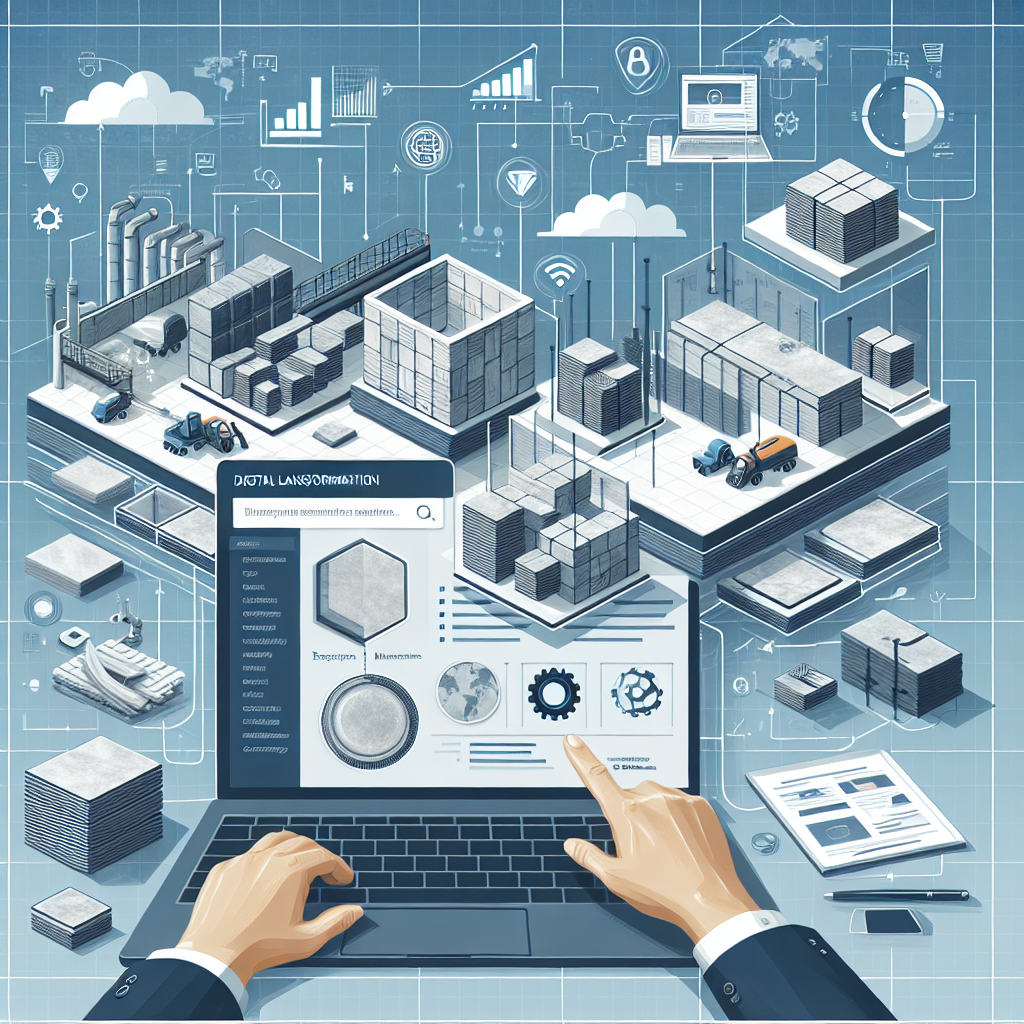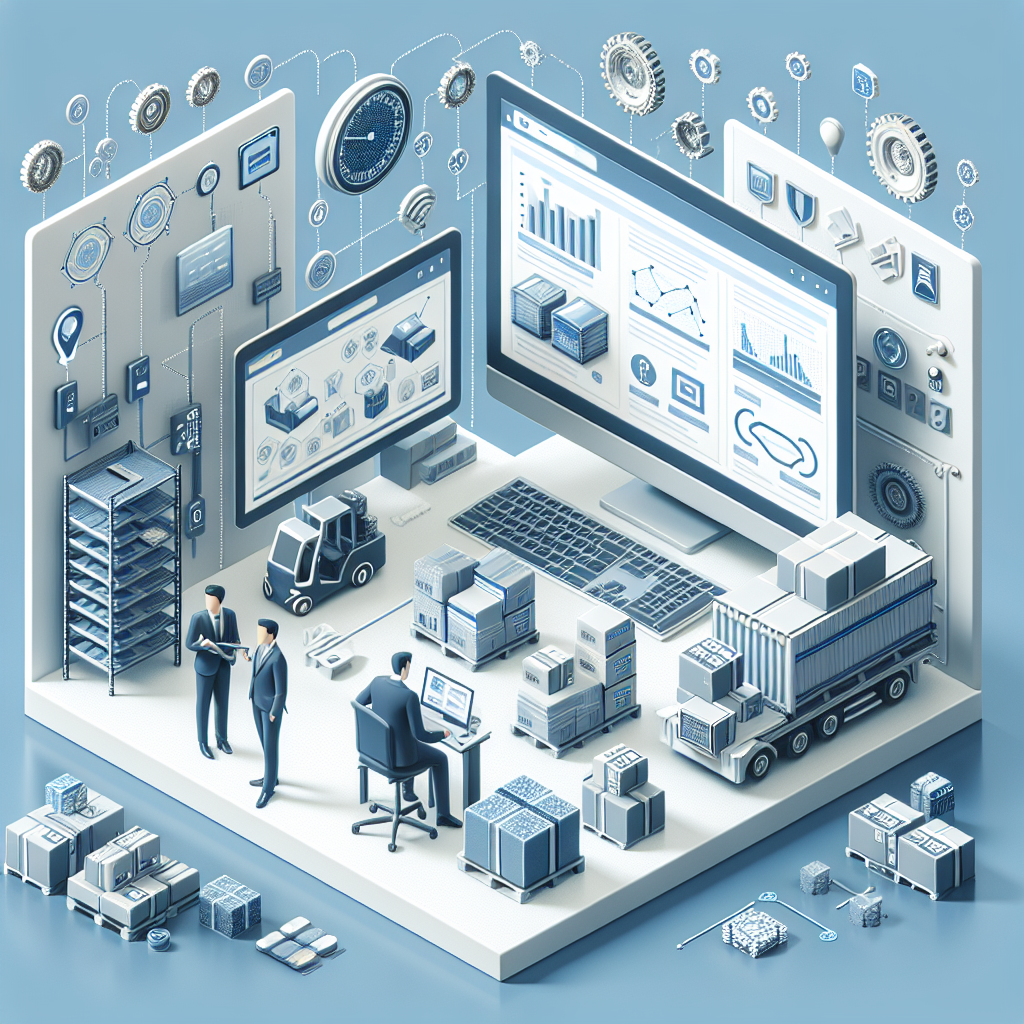

In today’s rapidly evolving ceramic tiles industry, businesses face significant challenges in managing inventory and dealer orders effectively. With the rise of e-commerce and increasing customer demands, many companies are turning to technology solutions like ERP (Enterprise Resource Planning) and CRM (Customer Relationship Management) systems. Integrating these digital tools can help overcome inventory mismanagement and enhance dealer order management, ultimately driving operational efficiency and increasing revenue.
Understanding the Challenges in Tiles Distribution
The tiles industry has traditionally relied on manual processes and fragmented systems, which can lead to inefficiencies and errors. Key challenges include:
- Inventory Mismanagement: Inaccurate stock levels can result in lost sales or overstock situations.
- Order Delays: Manual order processing can slow down response times, frustrating dealers and end customers alike.
- Lack of Data Transparency: Without integrated systems, accessing real-time data becomes cumbersome, complicating decision-making.
With the right digital transformation strategies in place, companies can streamline operations and overcome these challenges.
The Role of ERP in the Tiles Industry
ERP systems provide a consolidated platform that centralizes business processes, enabling better inventory management and order fulfillment. Here’s how ERP specifically aids the tiles industry:
- Real-time Inventory Tracking: By using ERP, businesses can monitor stock levels in real time, reducing the chances of overstocking or stockouts.
- Efficient Order Processing: Automated workflows in ERP systems enhance the speed and accuracy of order management, ensuring prompt delivery to dealers.
- Integrated Supply Chain Management: ERP solutions facilitate better collaboration with suppliers and logistics partners, leading to improved lead times and reduced costs.
For instance, a tiles manufacturer utilizing Odoo ERP saw a 30% reduction in inventory holding costs and a 25% improvement in order processing speed, demonstrating the impact of effective ERP integration.
Benefits of CRM in Enhancing Dealer Relationship Management
While ERP focuses on internal processes, CRM systems enhance customer interactions, vital for the tiles industry where dealer relationships are paramount. The key benefits of CRM include:
- Enhanced Communication: CRM tools facilitate seamless communication between manufacturers and dealers, allowing for real-time updates and feedback.
- Improved Customer Insights: CRM systems collect and analyze data related to dealer preferences and purchasing patterns, enabling tailored marketing strategies.
- Order History Tracking: A robust CRM can track dealer order histories, ensuring personalized service and fostering loyalty.
Implementing a CRM system can lead to more robust partnerships with dealers and ultimately increase market share.
The Importance of E-commerce Integration
With the increasing shift to online sales, integrating e-commerce platforms like Shopify or Magento with ERP and CRM is crucial. This integration offers numerous advantages:
- Streamlined Online Orders: E-commerce platforms provide a direct channel for placing orders, which can be automatically fed into the ERP system for processing.
- Enhanced Customer Experience: A seamless online ordering experience, informed by CRM data, allows dealers to manage orders more effectively and provides transparency on stock availability.
- Analytics and Reporting: Combined data from e-commerce, ERP, and CRM systems can yield actionable insights, helping businesses identify trends and optimize their strategies.
For example, a tiles retailer leveraging Shopify for e-commerce found that integrating their system with their ERP reduced manual entry errors by 40%, making order management more efficient.
Navigating the Digital Transformation Journey
Transitioning to integrated ERP and CRM systems involves careful planning and execution. Here are practical steps businesses can take:
- Assessment Phase: Evaluate current processes to identify bottlenecks and inefficiencies.
- Choose the Right Solutions: Opt for ERP and CRM systems that cater specifically to the needs of the tiles industry, such as Odoo ERP or tailored solutions for e-commerce development.
- Training and Support: Equip your teams with the necessary training and resources to leverage these technologies fully.
- Continuous Improvement: Regularly review performance metrics to ensure that the systems continue to meet evolving business needs.
By embracing these strategies, tiles companies can enhance operational efficiency while navigating the digital landscape.
Conclusion
In a competitive ceramic tiles market, integrating ERP and CRM solutions is not just beneficial; it is essential. By overcoming inventory mismanagement and enhancing dealer order management, businesses can position themselves for growth and success. Embrace digital transformation and leverage technology to build a more efficient, scalable, and responsive organization.
FAQs
1. How can an ERP system help with inventory management in the tiles industry?
An ERP system provides real-time inventory tracking and automates order processes, significantly reducing stock discrepancies and improving efficiency.
2. What are the benefits of integrating CRM with ERP systems?
Integrating CRM with ERP allows for better communication with dealers, personalized service, and access to comprehensive customer insights, enhancing overall relationship management.
3. What role do e-commerce platforms play in tiles distribution?
E-commerce platforms streamline online ordering processes and provide valuable data analytics, making it easier to manage dealer orders and customer needs.
4. How does digital transformation impact revenue growth in the tiles industry?
Digital transformation through ERP and CRM integration leads to improved operational efficiency, reduced costs, and enhanced customer satisfaction, all of which contribute to revenue growth.
5. What steps should companies take to implement ERP and CRM solutions successfully?
Companies should conduct an assessment of their current processes, choose appropriate solutions catered to their needs, provide adequate training for staff, and ensure continuous improvement through regular performance reviews.