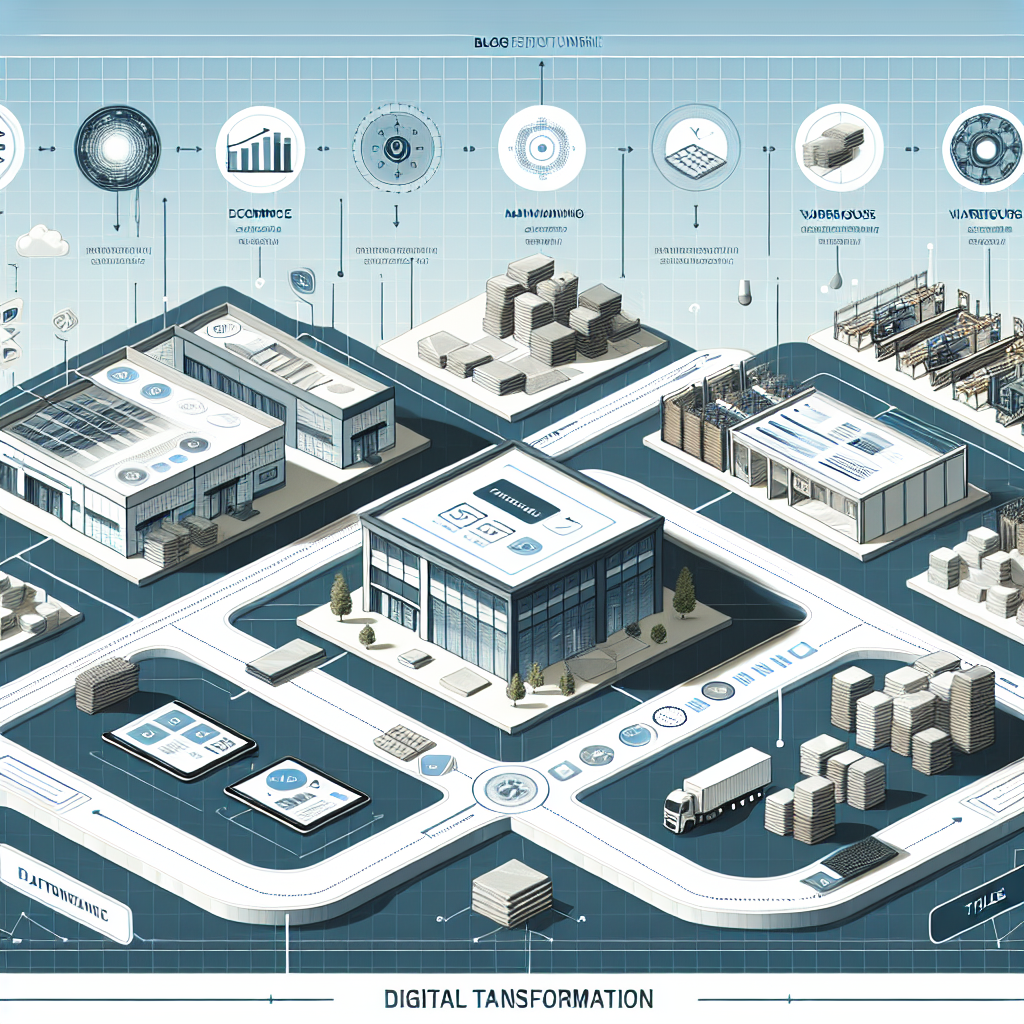


The tile and ceramics industry is experiencing a digital revolution, driven by the increasing demand for efficiency and better-managed operations. Distributors and retail chains face numerous challenges, particularly in inventory mismanagement and export logistics. By leveraging ERP and CRM automation, businesses can streamline operations, enhance customer satisfaction, and boost overall profitability. In this article, we will explore how these digital solutions impact the tile industry significantly.
Understanding the Key Challenges in the Tile Industry
The tile industry, like many others, is not immune to operational inefficiencies. Common challenges include:
- Disorganized inventory systems leading to stock discrepancies.
- Difficulty in tracking shipments and managing logistics.
- Ineffective communication between different departments, causing delays and errors.
- An inability to scale operations efficiently due to outdated systems.
These challenges can significantly impact a company’s bottom line, making the adoption of modern technologies essential.
Benefits of ERP for the Tile Industry
Enterprise Resource Planning (ERP) systems are crucial for streamlining operations in the tile industry. An effective ERP solution can manage everything from procurement to sales, ensuring that your operations are efficient and seamless.
- Real-Time Data Access: ERP solutions provide real-time insights into inventory levels, enabling better decision-making. This is especially important for the tile and ceramics sector, where demand can fluctuate dramatically.
- Enhanced Forecasting: By utilizing historical data and market trends, ERP systems can improve demand forecasting, reducing the risk of overstocking or stockouts.
- Improved Collaboration: By centralizing data, teams can collaborate better, ensuring everyone is on the same page regarding inventory and logistics.
- Cost Reduction: Inefficiencies lead to unnecessary costs. An ERP system identifies and mitigates these, ultimately increasing profitability.
Incorporating CRM Automation into the Workflow
Customer Relationship Management (CRM) systems are integral to enhancing customer interactions and managing relationships. For tile distributors and retail chains, CRM automation can transform how businesses engage with clients and manage their supply chains.
- Improved Customer Insights: A CRM system collects and analyzes customer data, allowing companies to tailor their offerings and marketing strategies. This personalized approach can lead to increased sales in the competitive tiles market.
- Automated Communication: Automated alerts and reminders can help businesses keep their customers updated on order status, enhancing customer satisfaction.
- Better Lead Management: With CRM systems, leads can be tracked from initial contact through to sales conversion, ensuring no potential customer is overlooked.
- Efficient Sales Processes: With all customer data centralized, sales teams can close deals faster, improving revenue.
Digital Transformation Opportunities
Digital transformation is not just about implementing new technologies; it requires a shift in how businesses operate. For tile distributors and retailers, embracing digital transformation means taking advantage of integrated platforms that enhance operational efficiency.
- Integration with E-commerce Platforms: Adopting robust e-commerce platforms like Magento or Shopify can enable seamless online transactions. Integrating these systems with ERP and CRM solutions ensures consistent data across all channels, improving inventory accuracy and customer experience.
- Warehouse Automation: Solutions for warehouse automation streamline the storage and retrieval of tile products, minimizing delays and errors in order fulfillment. This is vital in a sector where timely delivery is crucial for customer satisfaction.
- Performance Analytics: Utilizing performance analytics tools within an ERP or CRM system helps businesses measure key performance indicators (KPIs). This data-driven approach allows companies to make informed decisions and adapt to changing market conditions effectively.
Implementing Technology in the Tile Industry
To effectively implement ERP and CRM automation, businesses should undertake the following strategic steps:
- Assess Needs: Identify the specific needs of your business and how ERP and CRM systems can address them.
- Choose the Right Solutions: Evaluate various platforms, such as Odoo ERP for manufacturing, to find the best fit for your operational requirements.
- Train Staff: Ensuring that your team is well-trained in new technologies is essential. It promotes user adoption and maximizes the system’s benefits.
- Monitor and Adjust: Regularly assess the performance of the implemented systems, making adjustments as needed to optimize efficiency continuously.
Conclusion
In a rapidly evolving market, the tile industry must embrace digital technologies such as ERP and CRM automation. By doing so, distributors and retail chains can overcome inventory mismanagement and enhance logistics while improving customer experiences. Implementing these solutions will not only streamline operations but also provide a competitive edge in a crowded marketplace. The opportunity for growth and increased revenue is significant for those willing to adopt modern technologies and commit to continuous improvement.