

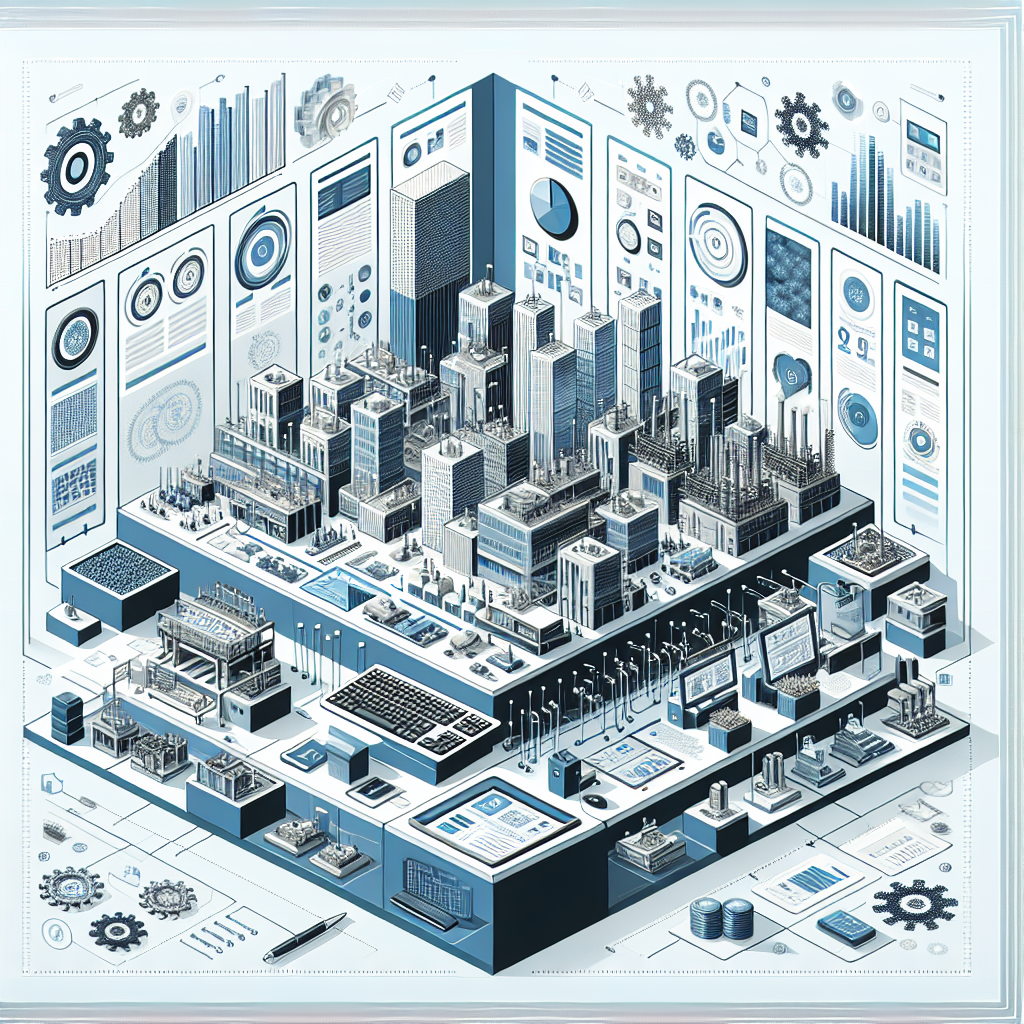
The tiles and ceramics industry is evolving rapidly, but many manufacturers and distributors still struggle with fragmented systems, inventory mismatches, and delayed dealer fulfillment. In an environment where speed, accuracy, and visibility directly impact revenue, relying on manual processes or disconnected software is no longer sustainable.
As a consultant working with tile manufacturers, I consistently see operational inefficiencies rooted in poor system integration. The solution lies in combining ERP for tiles industry operations with robust tiles ecommerce development strategies to create a unified, data-driven ecosystem.
Understanding the Root Cause of Inventory Chaos
Inventory challenges in the tiles industry are unique. With multiple SKUs, shades, sizes, and batch variations, maintaining accurate stock visibility across warehouses and dealer networks becomes complex.
Common issues include:
• Mismatch between physical stock and system records
• Lack of real-time inventory updates across locations
• Overstocking of slow-moving designs and stockouts of high-demand products
• Manual reconciliation delays impacting dispatch timelines
Without warehouse automation for tiles industry workflows, businesses end up reacting to problems instead of preventing them.
Why ERP Is the Backbone of Operational Stability
Implementing a centralized ERP system like Odoo ERP for manufacturing transforms how tile businesses manage production, inventory, and order processing.
An ERP system enables:
• Real-time inventory tracking across warehouses and branches
• Batch-wise and shade-wise stock management
• Automated production planning based on demand forecasts
• Seamless integration between procurement, manufacturing, and sales
For example, a mid-sized tile manufacturer we worked with reduced stock discrepancies by over 40 percent after implementing ERP-driven inventory control. The system eliminated manual stock entries and introduced barcode-based warehouse automation.
More importantly, ERP creates a single source of truth. This ensures that sales teams, dealers, and operations managers are always working with accurate data.
Bridging the Gap with B2B Ecommerce Integration
While ERP solves internal inefficiencies, dealer order delays often stem from outdated ordering processes. Phone calls, WhatsApp orders, and manual entries introduce errors and slow down fulfillment.
This is where tiles ecommerce development plays a critical role.
By integrating ERP with B2B ecommerce platforms such as Magento for tiles business or Shopify for tiles ecommerce, companies can digitize their dealer network.
Key benefits include:
• Dealers can view live inventory and pricing
• Instant order placement without dependency on sales representatives
• Automated order syncing with ERP for faster processing
• Reduced order errors and improved transparency
In one case, a distributor reduced order processing time from 24 hours to under 2 hours after launching a Magento-based B2B portal integrated with ERP.
This integration ensures that what dealers see online is exactly what is available in the warehouse, eliminating backorders and disputes.
Enhancing Customer and Dealer Experience
Today’s dealers expect the same digital convenience as B2C buyers. A well-designed ecommerce platform tailored for the tiles industry enhances engagement and loyalty.
Features that make a difference include:
• Visual catalogs with high-resolution tile images and room previews
• Dynamic pricing based on dealer tiers
• Order history and repeat ordering functionality
• Real-time dispatch and delivery tracking
When combined with CRM automation, businesses can also personalize communication, track dealer behavior, and improve relationship management.
CRM systems integrated with ERP and ecommerce platforms help:
• Automate follow-ups and order reminders
• Segment dealers based on buying patterns
• Improve sales forecasting and pipeline visibility
This creates a connected ecosystem where sales, operations, and customer experience are aligned.
Warehouse Automation as a Competitive Advantage
Inventory accuracy is only as strong as the warehouse processes behind it. Leading tile companies are investing in warehouse automation for tiles industry operations to improve speed and accuracy.
Technologies such as barcode scanning, RFID tracking, and automated picking systems significantly reduce manual errors.
Practical improvements include:
• Faster goods inward and outward processing
• Reduced picking and packing errors
• Real-time stock updates linked to ERP
• Improved space utilization in warehouses
For high-volume manufacturers, even a small improvement in warehouse efficiency can result in substantial cost savings and faster order fulfillment.
Choosing the Right Technology Stack
Selecting the right combination of ERP and ecommerce platforms is critical.
For manufacturing-heavy operations, Odoo ERP for manufacturing offers flexibility and scalability. It integrates well with ecommerce platforms and supports customization for tile-specific workflows.
For ecommerce:
• Magento for tiles business is ideal for large-scale B2B operations requiring complex pricing and catalog management
• Shopify for tiles ecommerce works well for businesses looking for faster deployment and simpler management
The key is not just choosing the tools, but ensuring seamless integration between them. Disconnected systems defeat the purpose of digital transformation.
Driving Measurable Business Outcomes
When ERP, ecommerce, CRM, and warehouse automation work together, the impact is significant:
• Reduction in order processing time
• Improved inventory accuracy and turnover
• Increased dealer satisfaction and retention
• Higher sales through digital channels
• Better decision-making through real-time data
In one transformation project, a tiles distributor increased online dealer orders by 65 percent within six months of launching an integrated ecommerce platform.
This is not just technology adoption. It is a shift toward a more agile, scalable, and data-driven business model.
Conclusion
The tiles industry is at a turning point where operational excellence is becoming a key differentiator. Businesses that continue to rely on manual systems and disconnected processes will struggle to compete.
By adopting ERP for tiles industry operations, investing in tiles ecommerce development, and implementing warehouse automation for tiles industry workflows, companies can eliminate inventory chaos and significantly reduce dealer order delays.
Whether you choose Magento for tiles business, Shopify for tiles ecommerce, or Odoo ERP for manufacturing, the goal should be clear: build an integrated digital ecosystem that drives efficiency, transparency, and growth.
The companies that embrace this transformation today will define the competitive landscape of tomorrow.