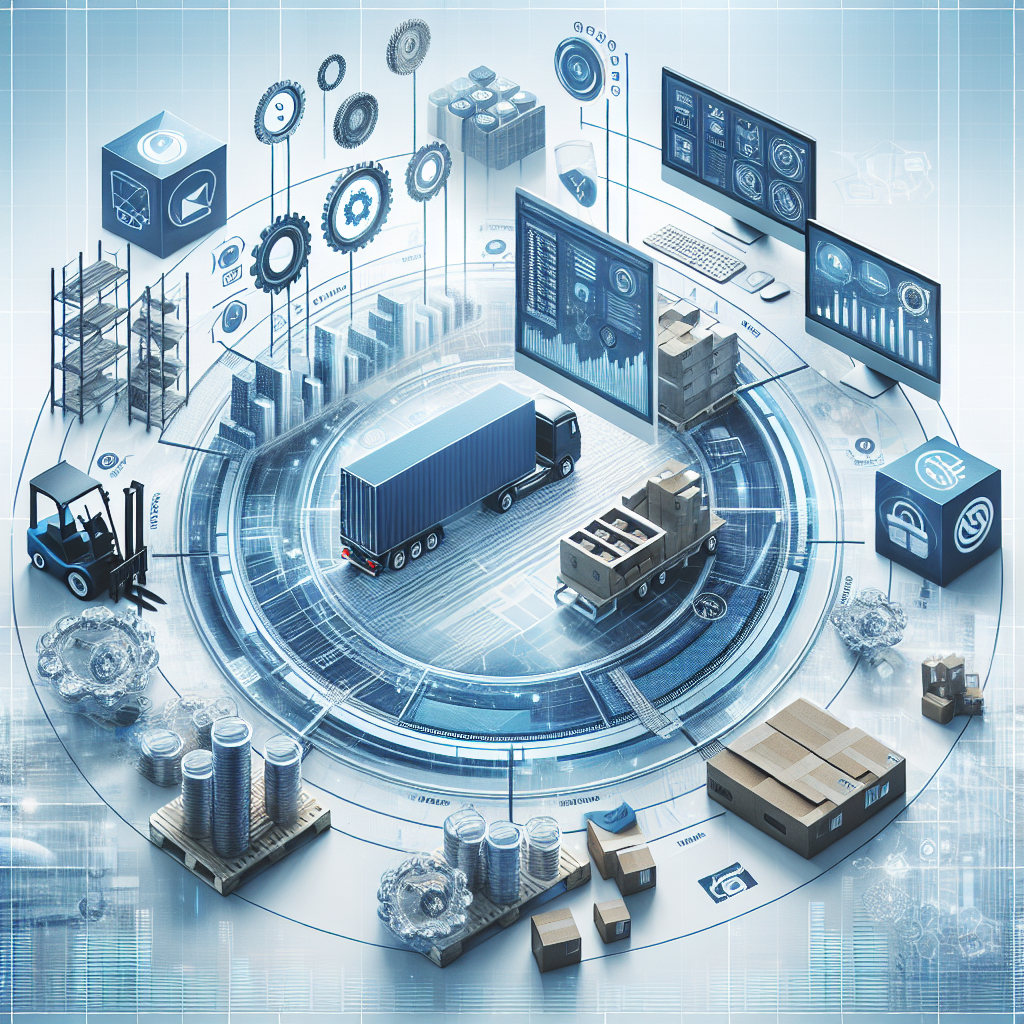
Industrial businesses are entering a new phase of digital transformation where AI automation for manufacturing, ERP for manufacturing, and B2B ecommerce platforms are no longer optional. In sectors like ceramic tiles, where demand fluctuates based on construction cycles, regional trends, and global trade dynamics, companies must adopt intelligent systems to stay competitive.
AI-powered demand forecasting combined with ERP-driven operations is reshaping how manufacturers plan production, manage inventory, and serve customers across global markets. The integration of these technologies enables real-time decision-making, operational agility, and scalable growth.
The Shift Toward AI-Driven Manufacturing Intelligence
Traditional forecasting models often rely on historical sales data and manual adjustments. This approach struggles to keep pace with volatile demand patterns and complex supply chains.
AI-driven forecasting introduces predictive analytics that processes large datasets, including:
- Market demand trends across regions
- Seasonal construction cycles
- Distributor purchasing behavior
- Raw material availability
- External economic indicators
For ceramic tile manufacturers and similar industrial sectors, this results in more accurate production planning and reduced overstock or stockouts.
When combined with ERP systems like Odoo ERP for manufacturing, businesses gain a unified view of operations, enabling synchronized planning across procurement, production, and distribution.
ERP Integration as the Backbone of Digital Transformation
ERP systems are central to modern industrial operations. However, their real value is unlocked when integrated with AI tools, B2B ecommerce development platforms, and warehouse automation systems.
An integrated ERP ecosystem allows businesses to:
- Automate order-to-cash processes
- Align production schedules with real-time demand forecasts
- Improve procurement planning using predictive insights
- Enhance financial visibility and reporting accuracy
For example, a ceramic tile manufacturer using ERP for manufacturing can automatically adjust production schedules based on AI-generated demand forecasts and incoming B2B ecommerce orders.
Platforms like Magento B2B ecommerce and Shopify B2B ecommerce further enhance this ecosystem by connecting customers directly to inventory and pricing systems in real time.
The Role of B2B Ecommerce in Scaling Industrial Sales
B2B ecommerce is rapidly becoming a growth driver for industrial businesses. Buyers now expect seamless digital experiences similar to B2C platforms.
Modern B2B ecommerce development enables:
- Real-time product catalogs with dynamic pricing
- Customer-specific discounts and credit terms
- Self-service portals for distributors and dealers
- Integration with ERP and CRM systems
In the ceramic tiles industry, this means distributors can check inventory availability, place bulk orders, and track shipments without manual intervention.
When integrated with ERP systems, ecommerce platforms eliminate data silos, ensuring that sales, inventory, and customer data are always synchronized.
Warehouse Automation and Supply Chain Optimization
Warehouse management systems and automation technologies play a critical role in executing AI-driven plans.
With warehouse automation systems, businesses can:
- Optimize storage using intelligent slotting algorithms
- Reduce picking and packing errors
- Enable faster order fulfillment
- Track inventory in real time
In industries handling heavy materials like ceramic tiles, automation also improves safety and reduces labor-intensive processes.
By connecting warehouse systems with ERP and AI forecasting tools, companies can create a responsive supply chain that adapts to demand fluctuations instantly.
Data Analytics as a Competitive Advantage
Data is at the core of digital transformation for industrial businesses. However, the real advantage lies in turning data into actionable insights.
Advanced analytics platforms integrated with ERP and ecommerce systems provide:
- Sales trend analysis across regions and product lines
- Customer behavior insights for targeted marketing
- Performance metrics for production efficiency
- Predictive maintenance alerts for machinery
For decision-makers such as CTOs and operations managers, this enables proactive planning rather than reactive problem-solving.
AI automation for manufacturing also allows continuous learning, where systems improve forecasting accuracy over time based on new data inputs.
Practical Implementation Strategies for Industrial Leaders
Adopting these technologies requires a structured approach rather than isolated investments.
Key strategies include:
- Start with ERP modernization: Ensure your ERP system can support integrations with AI, ecommerce, and analytics tools
- Implement AI forecasting in phases: Begin with high-impact product lines or regions
- Integrate B2B ecommerce platforms: Use Shopify B2B ecommerce or Magento B2B ecommerce to digitize sales channels
- Invest in warehouse automation systems: Focus on areas with the highest operational inefficiencies
- Build a unified data architecture: Ensure seamless data flow across systems
A phased approach reduces risk and allows teams to adapt to new workflows gradually.
Real-World Impact on the Ceramic Tiles Industry
Ceramic tile manufacturers operating globally face challenges such as fluctuating demand, high logistics costs, and complex distributor networks.
By adopting AI-powered demand forecasting and ERP integration:
- Production aligns closely with market demand
- Inventory carrying costs are reduced
- Lead times improve significantly
- Customer satisfaction increases through faster fulfillment
Additionally, B2B ecommerce platforms enable manufacturers to expand into new markets without heavily relying on traditional sales channels.
This combination of technologies creates a more resilient and scalable business model.
Conclusion
The convergence of AI automation for manufacturing, ERP for manufacturing, and B2B ecommerce development is redefining how industrial businesses operate.
For companies in sectors like ceramic tiles, embracing these technologies is not just about efficiency. It is about building a future-ready organization capable of responding to global demand shifts, optimizing supply chains, and delivering superior customer experiences.
Leaders who invest in integrated digital ecosystems today will be better positioned to scale operations, reduce costs, and maintain a competitive edge in an increasingly digital industrial landscape.
FAQs
1. How does AI improve demand forecasting in manufacturing
AI analyzes large datasets and identifies patterns to predict demand more accurately, reducing inventory costs and improving production planning.
2. Why is ERP integration important for manufacturing businesses
ERP systems centralize operations, enabling better coordination between production, inventory, finance, and sales.
3. What role does B2B ecommerce play in industrial growth
B2B ecommerce platforms streamline ordering processes, improve customer experience, and expand market reach.
4. Which ERP is suitable for manufacturing companies
Odoo ERP for manufacturing is a popular choice due to its flexibility, scalability, and integration capabilities.
5. How do warehouse automation systems improve efficiency
They reduce manual errors, speed up order fulfillment, and provide real-time inventory tracking.
6. What is the first step in digital transformation for industrial businesses
The first step is evaluating and modernizing existing systems, especially ERP, to support integration with advanced technologies.