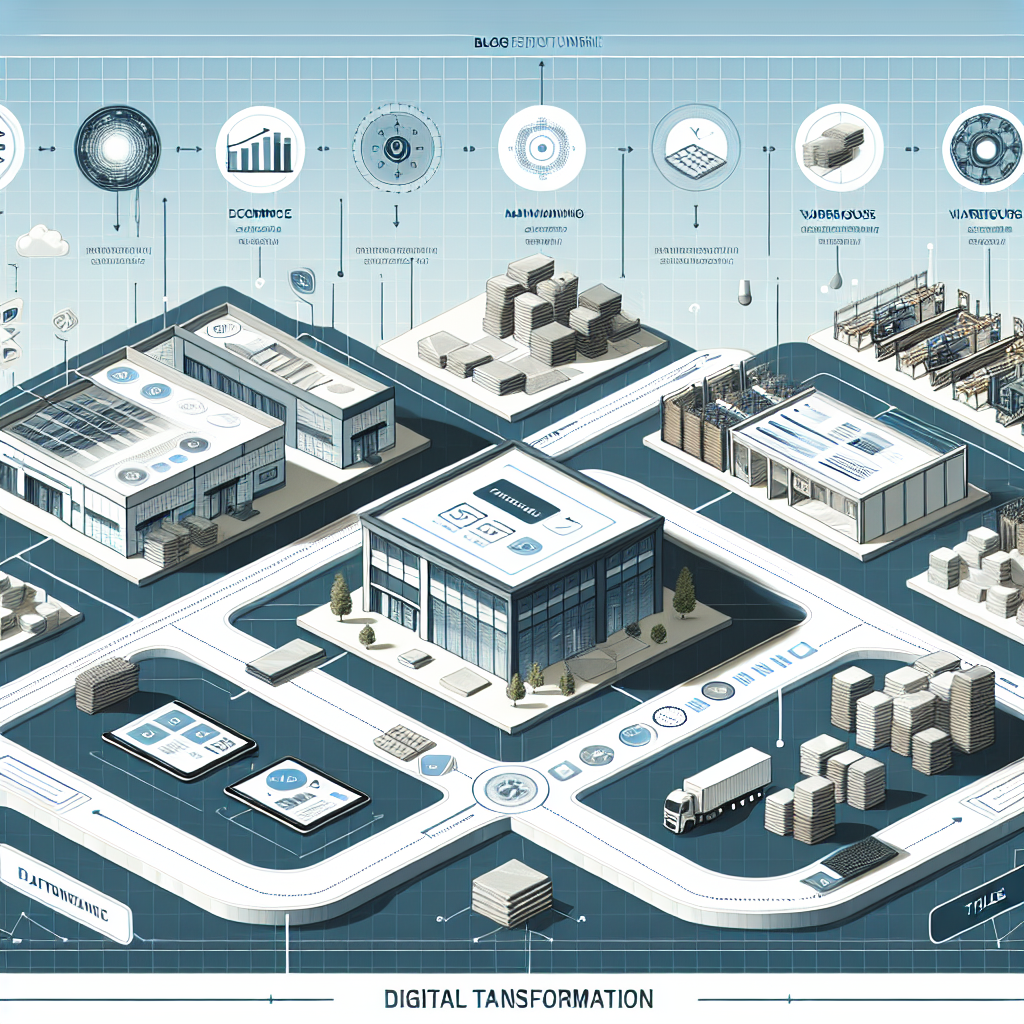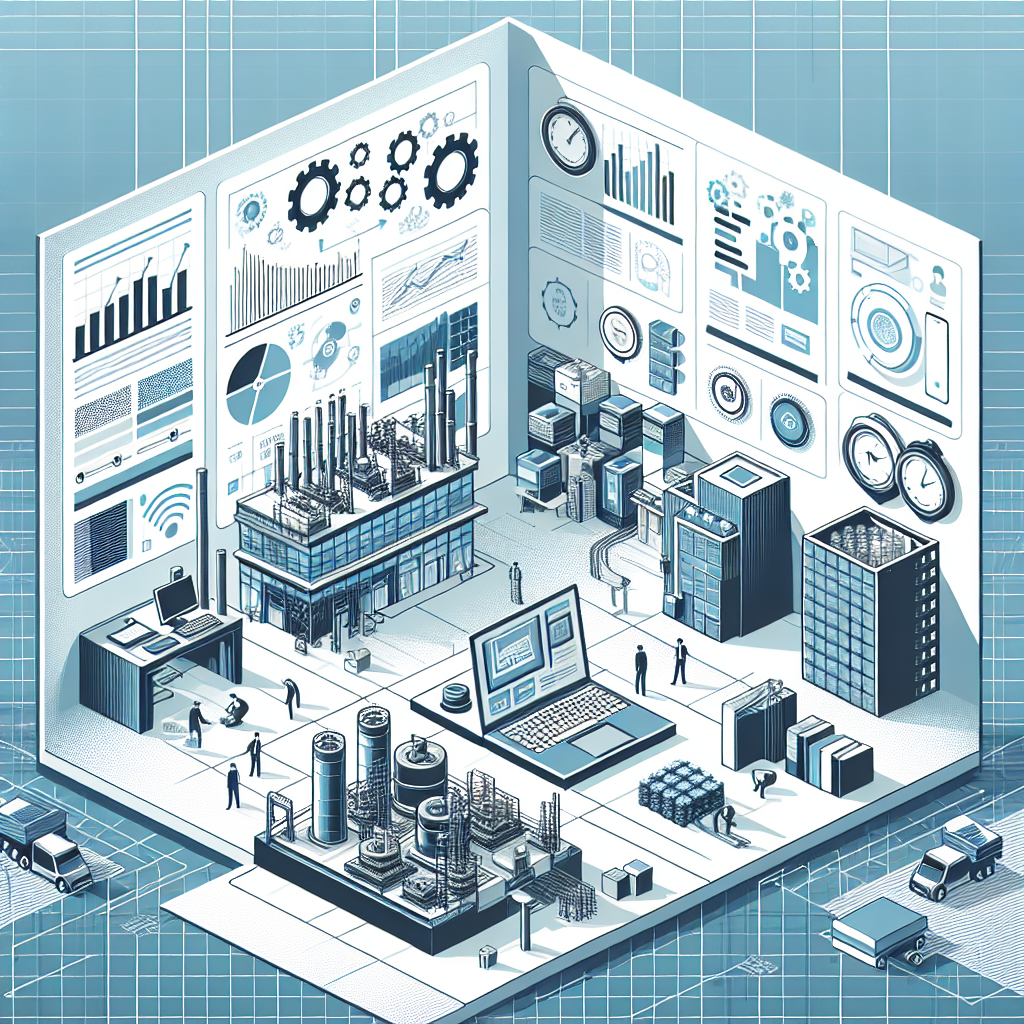
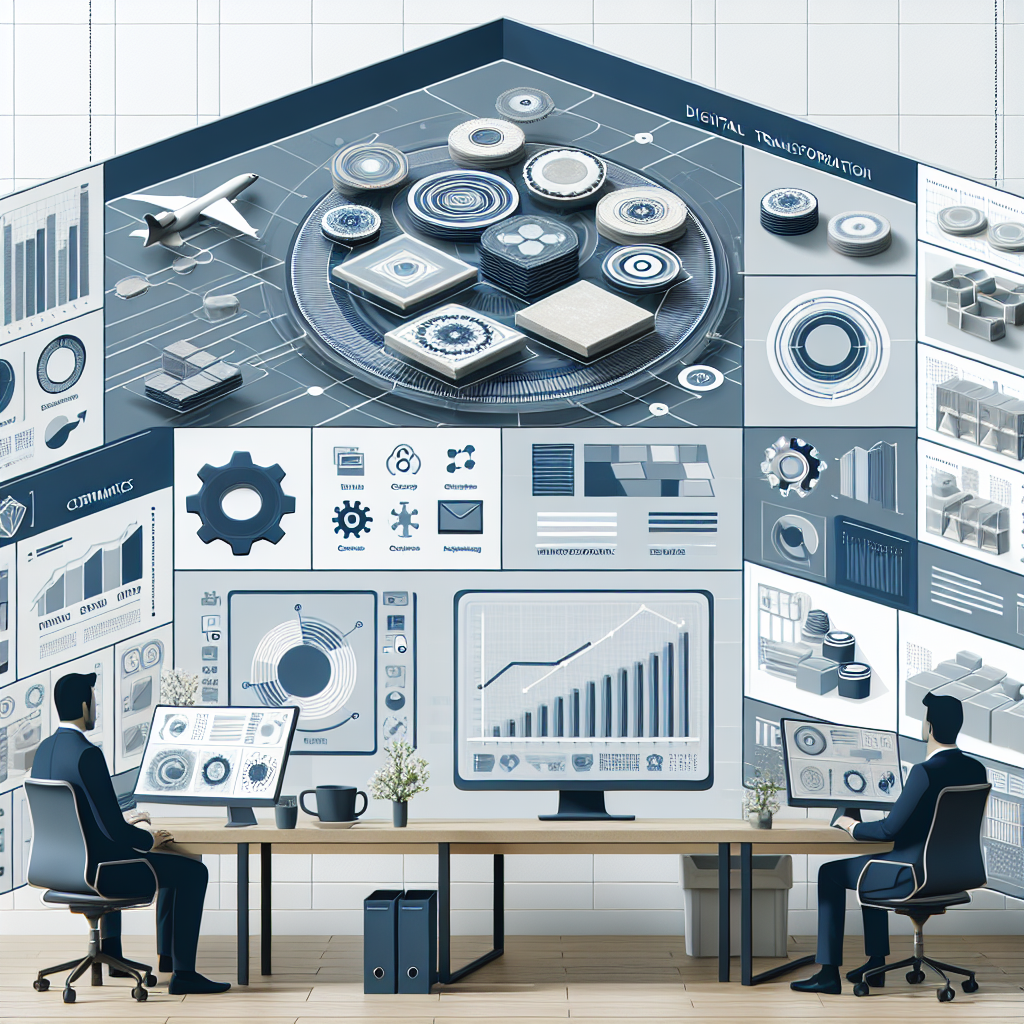
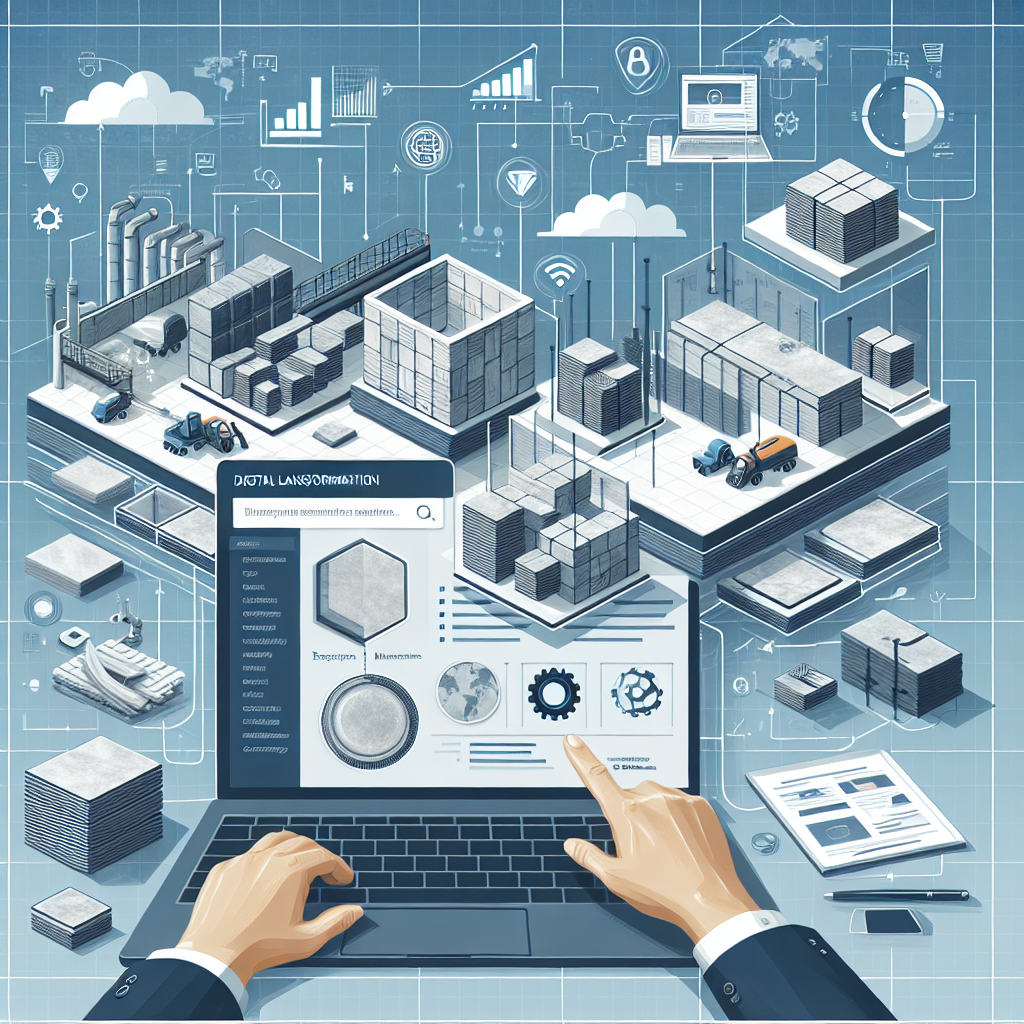
The tiles and ceramic industry is entering a new phase of digital maturity in 2026. Traditional manufacturing strength alone is no longer enough to compete in a global, fast-moving market. Companies are now integrating AI-powered ERP for tiles industry operations and adopting tiles ecommerce development strategies to create scalable, efficient, and customer-centric business models.
From factory floors to export channels, AI, automation, and digital commerce platforms are redefining how tile manufacturers operate, sell, and grow.
The Shift from Manual Operations to Intelligent Manufacturing
Tile manufacturing has historically been resource-intensive and dependent on manual planning. Today, AI automation for manufacturing is transforming production environments into intelligent ecosystems.
Modern ERP systems such as Odoo ERP for manufacturing enable:
- Real-time production planning based on demand forecasts
- Automated raw material procurement aligned with production cycles
- Predictive maintenance for kilns and machinery
- AI-driven quality control to reduce defects
This level of automation reduces operational inefficiencies while improving production consistency. For tile manufacturers dealing with large-scale SKUs and batch variations, this shift is critical.
ERP as the Digital Backbone of Tile Businesses
An AI-powered ERP is no longer just a backend tool; it is the central nervous system of the business.
ERP for tiles industry solutions now integrate:
- Inventory across warehouses and distribution centers
- Order management from multiple sales channels
- Financial reporting with real-time insights
- Export documentation and compliance tracking
For example, a tile exporter managing multiple international markets can use ERP dashboards to track shipment status, currency fluctuations, and distributor performance in one unified view.
When ERP is combined with CRM automation, businesses gain complete visibility into customer behavior, sales cycles, and dealer networks.
B2B Ecommerce Platforms Driving Revenue Growth
The rise of digital buyers in construction and building materials has made B2B ecommerce a necessity, not an option.
Tiles ecommerce development using platforms like Magento for tiles business and Shopify for tiles ecommerce is enabling manufacturers and distributors to:
- Showcase large product catalogs with high-resolution visuals
- Offer real-time stock availability and pricing
- Enable bulk ordering with custom pricing tiers
- Provide seamless dealer and distributor portals
A well-designed B2B ecommerce platform reduces dependency on traditional sales channels and allows businesses to expand into new geographies without physical presence.
More importantly, it creates a consistent and convenient buying experience for architects, contractors, and retailers.
Mid-Content Insight: Where AI, ERP, and Ecommerce Converge
The real transformation happens when ERP, ecommerce, and AI automation work together.
Consider this scenario:
A distributor places a bulk order through a Magento-based tiles ecommerce platform. The system automatically syncs with the ERP, triggering:
- Production scheduling based on available capacity
- Inventory allocation across warehouses
- Logistics planning with optimized delivery routes
- Automated invoicing and payment tracking
At the same time, AI analyzes order patterns to suggest cross-sell products and forecast future demand.
This connected ecosystem eliminates silos and creates a fully integrated digital supply chain.
Warehouse Automation and Smart Logistics
Warehouse automation for tiles industry operations is another critical area of transformation.
Tiles are bulky, fragile, and require careful handling. AI-enabled warehouse systems now help businesses:
- Optimize storage layouts based on product movement
- Automate picking and packing processes
- Track inventory using barcode and RFID systems
- Reduce breakage and handling errors
Integrated with ERP systems, these warehouses provide real-time stock visibility, ensuring accurate order fulfillment and faster dispatch times.
For exporters, this directly impacts delivery reliability and customer satisfaction.
Enhancing Customer Experience Through Digital Channels
Customer expectations in the tiles industry have evolved significantly. Buyers now expect the same digital convenience they experience in other sectors.
With Shopify for tiles ecommerce and similar platforms, businesses can offer:
- Virtual product catalogs and design previews
- Personalized pricing based on customer segments
- Easy reordering for repeat buyers
- Transparent order tracking and communication
CRM automation further enhances this experience by enabling targeted marketing, follow-ups, and relationship management.
The result is not just improved customer satisfaction, but also higher retention and lifetime value.
Data-Driven Decision Making for Competitive Advantage
One of the biggest advantages of digital transformation for tiles companies is access to actionable data.
AI-powered analytics within ERP systems provide insights into:
- Best-selling tile designs and formats
- Regional demand trends
- Production efficiency metrics
- Sales performance across channels
This allows decision-makers to move from reactive to proactive strategies.
For instance, a manufacturer can identify rising demand for specific tile finishes in export markets and adjust production accordingly.
Similarly, ecommerce data can reveal customer preferences, helping businesses refine their product offerings and pricing strategies.
Scaling Global Exports with Digital Infrastructure
Export growth is a key priority for many tile manufacturers. However, managing international operations manually is complex and error-prone.
Digital platforms simplify this by:
- Automating export documentation and compliance
- Managing multi-currency transactions within ERP
- Coordinating global logistics and shipping
- Enabling international B2B ecommerce transactions
With the right technology stack, even mid-sized tile manufacturers can compete globally and scale exports efficiently.
This is where integrated solutions combining ERP, ecommerce, and AI become a strategic advantage.
Conclusion
The tiles and ceramics industry in 2026 is no longer defined solely by manufacturing capabilities. It is increasingly driven by digital agility, operational intelligence, and customer-centric platforms.
Businesses that invest in AI-powered ERP for tiles industry operations, advanced tiles ecommerce development, and automation technologies are positioning themselves for long-term growth.
The combination of Magento for tiles business, Shopify for tiles ecommerce, Odoo ERP for manufacturing, and warehouse automation for tiles industry processes creates a powerful ecosystem that drives efficiency, scalability, and profitability.
Digital transformation is not a one-time project. It is an ongoing strategy that will determine which companies lead the market and which fall behind.
FAQs
What is the role of ERP in the tiles industry?
ERP systems help manage production, inventory, sales, finance, and export operations in a centralized platform, improving efficiency and decision-making.
How does B2B ecommerce benefit tile manufacturers?
B2B ecommerce platforms enable manufacturers to reach wider markets, streamline bulk ordering, and provide a better buying experience for dealers and distributors.
Which platforms are best for tiles ecommerce development?
Magento and Shopify are widely used for tiles ecommerce development due to their scalability, customization, and ability to handle large product catalogs.
How does AI improve tile manufacturing operations?
AI enables demand forecasting, predictive maintenance, quality control, and process automation, reducing costs and improving production efficiency.
Why is digital transformation important for tile exporters?
Digital transformation simplifies global trade operations, improves compliance, enhances logistics management, and enables seamless international sales through ecommerce platforms.