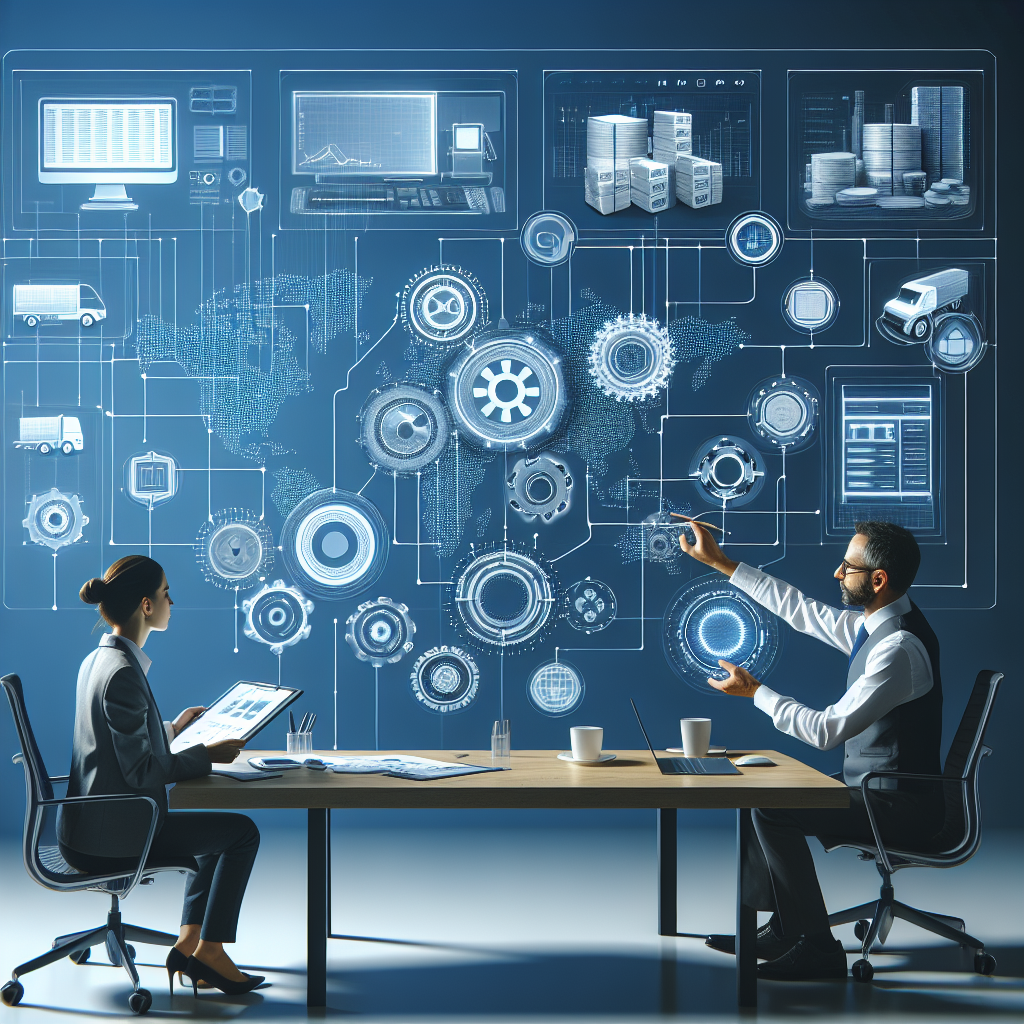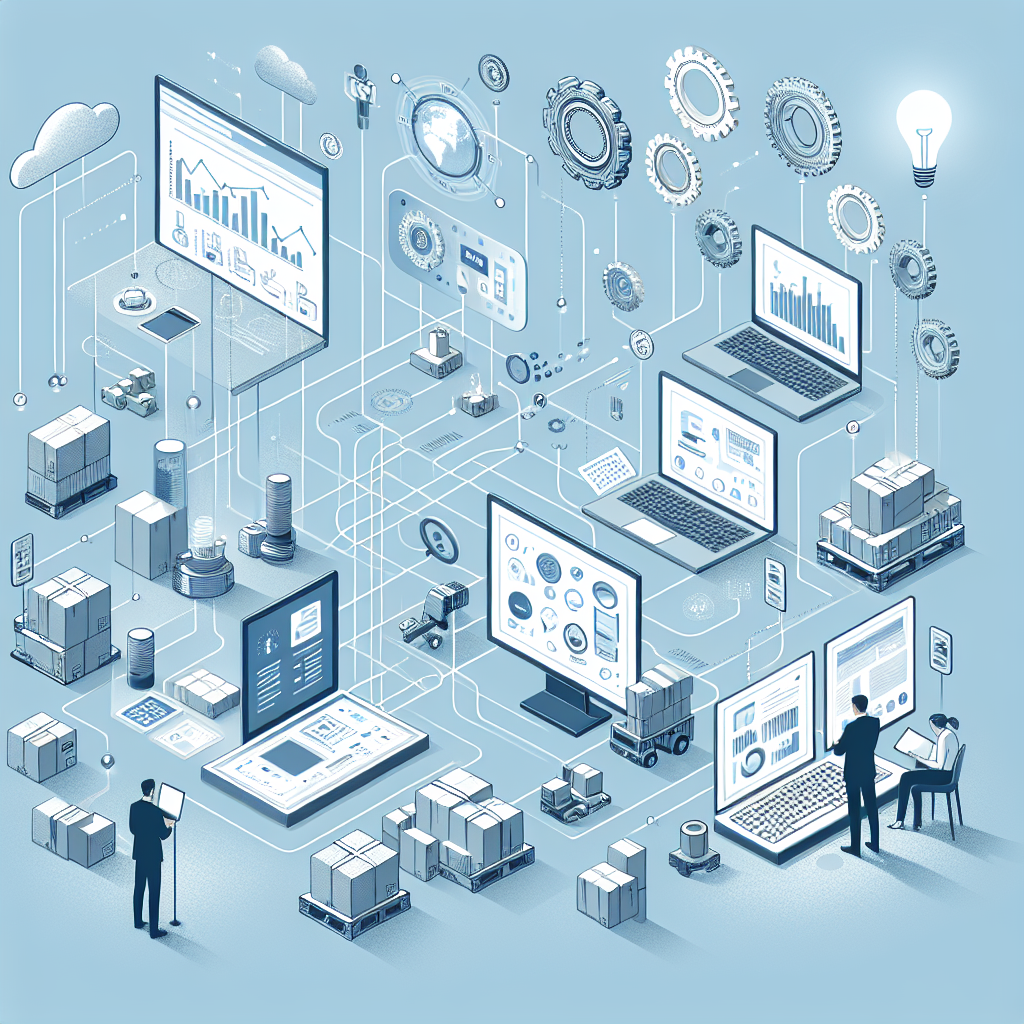
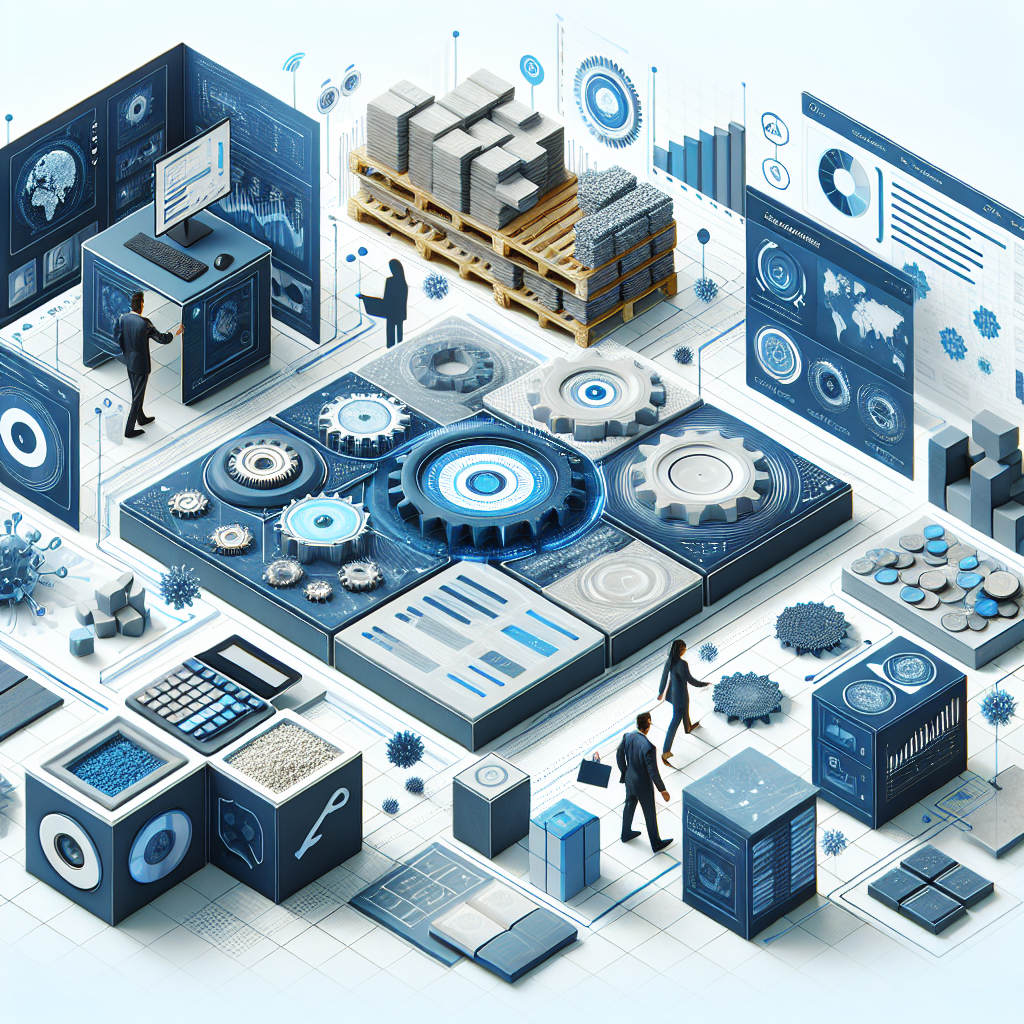
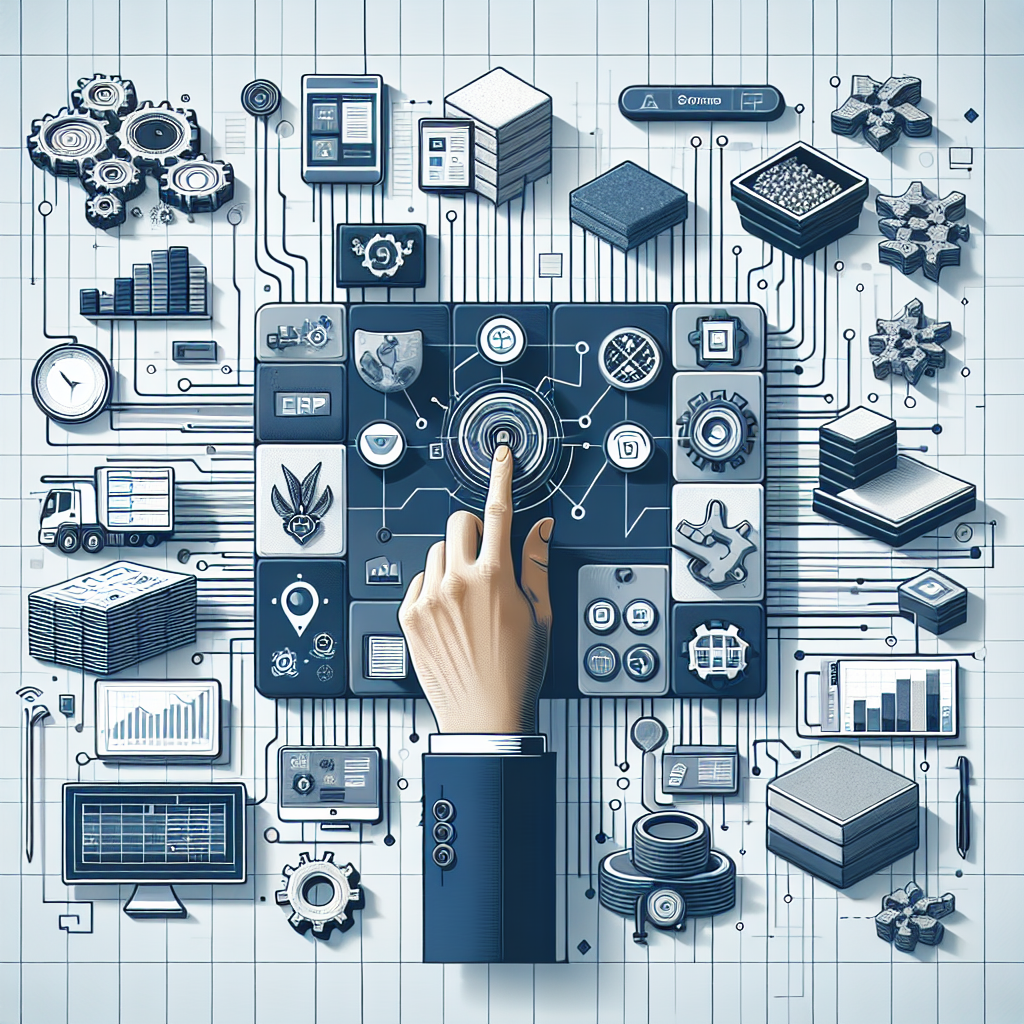
The manufacturing sector is entering a new phase of digital transformation driven by artificial intelligence, advanced ERP systems, and predictive analytics. As global competition intensifies and customer expectations evolve, manufacturers and exporters must shift from traditional operational models toward intelligent, data-driven systems.
For industries such as tile manufacturing and large-scale industrial production, operational complexity continues to grow. Managing procurement, production planning, inventory levels, B2B ecommerce orders, logistics, and distributor relationships requires integrated systems that provide real-time visibility and automation.
This is where AI-powered ERP for manufacturing and predictive demand planning are becoming the foundation of modern Industry 4.0 strategies. Organizations that adopt these technologies are improving operational efficiency, reducing waste, strengthening supply chains, and enabling scalable B2B digital commerce.
The Growing Need for Digital Transformation in Manufacturing
Manufacturers historically relied on fragmented systems and manual processes for planning and operations. While this approach worked in stable markets, today’s dynamic supply chains demand far greater agility and visibility.
Several trends are accelerating the shift toward digital platforms:
- Rapid growth in B2B ecommerce platforms for industrial products
- Increasing demand for real-time inventory and supply chain visibility
- Global supply chain disruptions requiring predictive planning
- Rising expectations for faster order fulfillment and customer responsiveness
- Pressure to optimize operational costs and production efficiency
To address these challenges, many manufacturers are investing in integrated ecosystems combining ERP systems, AI automation, warehouse management systems, and B2B ecommerce development platforms.
These technologies allow companies to move from reactive operations to proactive and predictive decision-making.
AI-Powered ERP: The Digital Backbone of Modern Manufacturing
ERP systems have long served as the operational backbone of manufacturing businesses. However, modern ERP platforms such as Odoo ERP for manufacturing are evolving rapidly with embedded AI and advanced analytics capabilities.
AI-enabled ERP systems allow manufacturers to automate workflows, centralize operational data, and generate intelligent insights that improve decision-making across departments.
Key operational benefits include:
- Automated production planning based on real-time order demand
- Intelligent inventory optimization across warehouses and distribution centers
- Integrated procurement and supplier management
- Financial visibility across manufacturing operations
- Seamless integration with B2B ecommerce platforms and CRM automation tools
For tile manufacturers and exporters, this means production planning can automatically adjust based on live distributor demand, export schedules, and inventory availability.
Instead of relying on spreadsheets and manual forecasting, AI-powered ERP systems continuously analyze operational data to optimize business performance.
Predictive Demand Planning Using Artificial Intelligence
One of the most impactful capabilities of AI automation for manufacturing is predictive demand planning.
Traditional forecasting methods often rely on historical sales data and static planning cycles. While useful, these models fail to adapt quickly to changing market conditions, seasonal demand shifts, or distributor purchasing behavior.
Predictive demand planning systems use AI and machine learning to analyze multiple data sources, including:
- Historical sales patterns
- Distributor purchasing trends
- Market demand fluctuations
- Seasonal demand cycles
- Supply chain constraints
These insights allow manufacturers to predict future demand more accurately and adjust production schedules accordingly.
For example, tile manufacturers exporting to multiple global markets can anticipate seasonal construction demand in different regions. AI models can recommend production adjustments weeks or months in advance, reducing excess inventory while ensuring adequate supply.
The result is improved working capital efficiency and stronger supply chain resilience.
The Role of B2B Ecommerce in Industrial Growth
Another major shift shaping industrial businesses is the rapid expansion of B2B ecommerce platforms.
Buyers increasingly prefer digital purchasing experiences that provide real-time product catalogs, pricing transparency, and fast ordering processes. Industrial manufacturers are responding by implementing platforms such as Shopify B2B ecommerce and Magento B2B ecommerce to serve distributors, dealers, and contractors more efficiently.
When integrated with ERP systems, B2B ecommerce platforms unlock significant operational advantages.
- Real-time product inventory synchronization
- Automated order processing and invoicing
- Personalized pricing for distributors and partners
- Improved customer experience through self-service portals
- Direct integration with warehouse management systems
This connected ecosystem allows manufacturers to scale their digital sales channels while maintaining operational control.
For exporters, digital B2B commerce also enables expansion into new international markets without heavy reliance on traditional sales networks.
Warehouse Automation and Smart Supply Chains
As order volumes increase through digital channels, warehouse and logistics operations must evolve as well.
Warehouse management systems integrated with ERP platforms enable smarter inventory control, automated picking workflows, and real-time tracking of product movement.
Combined with AI-powered analytics, warehouse automation systems help manufacturers achieve:
- Faster order fulfillment cycles
- Reduced inventory errors and stock discrepancies
- Optimized warehouse space utilization
- Improved coordination between production and distribution
- Enhanced visibility across global supply chains
For industries handling heavy materials and large product volumes such as tile manufacturing, warehouse automation significantly improves operational scalability.
This capability becomes especially important when supporting B2B ecommerce operations that require accurate inventory data and rapid order dispatch.
Building a Connected Digital Ecosystem
The most successful manufacturing organizations no longer treat technology investments as isolated systems. Instead, they build interconnected digital ecosystems where ERP, CRM automation, ecommerce platforms, warehouse systems, and analytics tools work together.
A typical modern manufacturing digital architecture may include:
- AI-powered ERP for production, finance, and operations management
- CRM automation platforms for distributor and customer relationship management
- B2B ecommerce development platforms for digital sales channels
- Warehouse management systems for logistics and inventory optimization
- Data analytics platforms for business intelligence and forecasting
When these technologies are integrated effectively, companies gain a unified view of their entire operation.
Executives can monitor production efficiency, sales performance, supply chain risks, and customer demand in real time.
This level of operational intelligence enables faster strategic decisions and long-term growth.
Why Industrial Businesses Must Act Now
Digital transformation is no longer optional for industrial manufacturers. Organizations that delay modernization risk falling behind competitors who are adopting smart manufacturing technologies and AI-driven operations.
Companies implementing ERP-driven manufacturing systems, AI automation, and digital B2B commerce platforms are already achieving measurable advantages.
These include:
- Lower operational costs
- Faster production cycles
- Improved demand forecasting
- Stronger distributor relationships
- Higher customer satisfaction
- Scalable digital revenue channels
For tile manufacturers, exporters, and industrial producers, the next frontier of growth will be defined by how effectively they leverage technology to transform traditional operations into intelligent, connected, and automated ecosystems.
Businesses that embrace AI-powered ERP and predictive demand planning today will be better positioned to compete in the increasingly digital industrial economy.
FAQs
What is AI-powered ERP in manufacturing?
AI-powered ERP systems use artificial intelligence and machine learning to automate operational workflows, optimize production planning, analyze business data, and improve decision-making across manufacturing operations.
How does predictive demand planning help manufacturers?
Predictive demand planning uses AI and data analytics to forecast future demand based on historical sales, market trends, and supply chain factors, allowing manufacturers to plan production more accurately.
Why are B2B ecommerce platforms important for manufacturers?
B2B ecommerce platforms enable manufacturers to sell directly to distributors and business buyers through digital channels, improving customer experience, automating order processing, and expanding market reach.
How does ERP integrate with B2B ecommerce systems?
ERP systems integrate with B2B ecommerce platforms to synchronize product catalogs, inventory levels, pricing structures, and order data, ensuring smooth and automated business operations.
What technologies are essential for Industry 4.0 manufacturing?
Key Industry 4.0 technologies include AI-powered ERP systems, warehouse automation systems, B2B ecommerce platforms, IoT-enabled production systems, and advanced data analytics platforms.